In a nutshell
- 🔬 Science-backed potential: In a six-month trial, rosemary oil performed similarly to 2% minoxidil for androgenetic alopecia with less itching; mechanisms include improved microcirculation, antioxidant support (carnosic and rosmarinic acids), and possible 5-alpha-reductase modulation.
- 🧪 DIY infusion method: Use dried rosemary at a 1:4 herb-to-oil ratio, infuse 2–4 weeks (or warm under 60°C for 2 hours), then strain; optionally add rosemary essential oil at 1%, store cool and dark, and use within three months.
- 🛢️ Choosing carriers: Jojoba suits oily scalps, grapeseed is ultra-light for fine hair, sweet almond comforts dry scalps, and light olive aids coarse curls; always patch-test and consider comedogenicity.
- ✋ Application and timelines: Apply 6–10 drops to the scalp, massage for five minutes, 3–5 times weekly, as a 30–60 minute pre-shampoo; first signs at 8–12 weeks, with subtle density gains by 3–6 months—consistency beats intensity.
- ⚠️ Safety first: Patch test for 24–48 hours, keep total dilution at 1–2%, avoid eyes, and use caution during pregnancy/breastfeeding or with epilepsy/hypertension; seek medical advice for worsening shedding or patchy loss.
Britain’s cupboards hide more than tea and spices. They hide haircare’s most intriguing underdog: rosemary. This aromatic staple, long prized in Mediterranean kitchens, is now slipping into bathroom cabinets as a scalp elixir with serious promise. Beauty fads come and go, but evidence-backed botanicals tend to stick. Rosemary-infused oil is one of them. It’s simple to make, pleasantly fragrant, and grounded in biology rather than hype. The big claim? It may nudge sluggish follicles back to work. Expect less marketing gloss and more practical, testable steps. If you’re curious about a plant-powered approach to shedding, thinning, and slow growth, read on.
What Science Says About Rosemary and Hair Growth
Modern research lends weight to rosemary’s traditional reputation. In a six-month randomised trial, a rosemary oil solution performed comparably to 2% minoxidil for androgenetic alopecia, delivering similar gains in hair count while provoking less scalp itching. That’s notable. It suggests rosemary’s mechanisms—improved scalp microcirculation, anti-inflammatory activity, and potential 5-alpha-reductase modulation—can meaningfully influence the hair cycle. Animal studies echo the theme: rosemary extracts lengthened the anagen (growth) phase and sped regrowth after induced shedding, likely thanks to antioxidants such as carnosic acid and rosmarinic acid that protect follicular cells from oxidative stress.
Do not expect overnight regrowth; follicles cycle in weeks to months, not days. Human hair grows roughly a centimetre per month, and interventions show their hand slowly. The emerging picture is pragmatic rather than miraculous. Rosemary doesn’t “create” follicles; it may help preserve and energise those you still have. Use it consistently. Track progress with monthly photos in bright, repeatable light. And keep perspective: thinning driven by genetics can be managed, supported, sometimes slowed—rarely reversed outright—without a comprehensive plan that considers nutrition, stress, and medical therapies.
How to Make an Effective Rosemary-Infused Oil at Home
Infusions harness the plant’s fat-soluble constituents into a carrier oil that’s gentle on the scalp. Choose dried rosemary (fresh leaves can introduce water and spoilage). Fill a sterilised, dry jar: use a 1:4 ratio by weight—25 g herb to 100 g oil is a tidy starting point. Cover with jojoba, grapeseed, or light olive oil. Seal and store in a cool, dark place, shaking every few days. After 2–4 weeks, strain through a coffee filter or muslin. Label and date. You’ve made a fragranced, emerald-toned infusion ready for scalp massage.
Short on time? Use a warm infusion: hold the jar in a bain-marie under 60°C for 2 hours, lid ajar to prevent pressure, then cool and strain. For extra oomph, fortify the infusion with rosemary essential oil at 1% (that’s 1 ml EO in 100 ml carrier). Never apply essential oil neat; keep total dilution at 1–2% to reduce irritation risk. Store your infusion away from sunlight, and aim to use within three months. If it smells off or looks cloudy, bin it and start fresh—contaminated oils do your scalp no favours.
Choosing the Right Carrier Oil
The carrier sets the feel, slip, and rinse-out. Think of it as the delivery vehicle for rosemary’s actives. Jojoba mimics human sebum and suits balanced or oily scalps. Grapeseed is featherlight and good for fine hair that flattens easily. Sweet almond lends cushion to dry, tight scalps. If you’re prone to breakouts along the hairline, pick low-comedogenic choices and keep applications on the scalp rather than the forehead. Patch-test the carrier alone first; some reactions blamed on rosemary are just nut oil sensitivities in disguise.
| Carrier Oil | Texture | Best For | Notes |
|---|---|---|---|
| Jojoba | Light, non-greasy | Oily/combination scalps | Balances sebum; easy rinse-out |
| Grapeseed | Very light | Fine hair, daily use | Minimal scent; quick absorb |
| Sweet Almond | Medium, cushiony | Dry, flaky scalps | Nut allergy caution |
| Olive (light) | Richer | Coarse, curly hair | Nourishing; may weigh hair down |
Pick the lightest oil that still comforts your scalp; heavy isn’t always better for penetration or comfort. If you prefer a water-light finish, massage pre-wash and shampoo twice; for overnight nourishment, use less product and protect your pillowcase.
Application, Massage, and Realistic Timelines
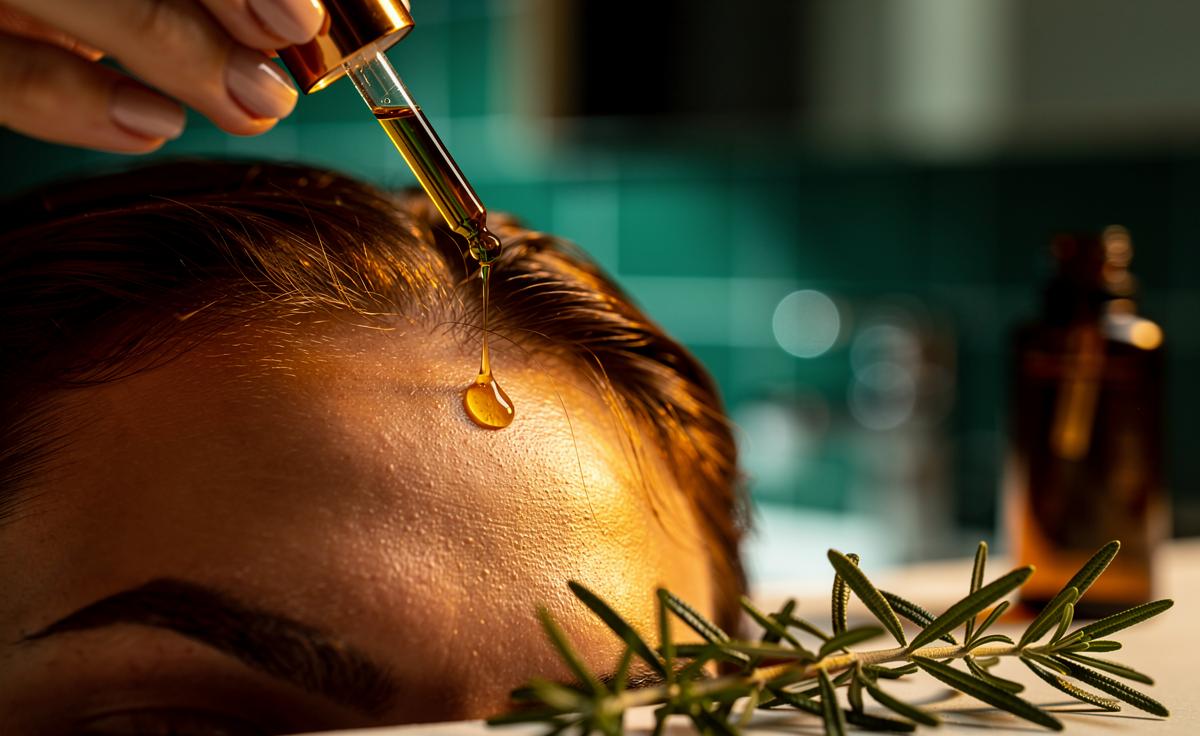
Part the hair, apply 6–10 drops of your infusion directly to the scalp, then work section by section. Spend five minutes on scalp massage: small circles with fingertips, light pressure, slow tempo. This matters. Massage increases local circulation and may stretch follicle stem cells, signalling growth. Aim for 3–5 sessions weekly. On wash days, treat it as a pre-shampoo mask for 30–60 minutes. On off days, use sparingly, focusing on thinning zones. Keep it on the scalp; your lengths need conditioner, not oil overload.
Timelines are not negotiable. First signs often appear at 8–12 weeks: less shedding in the drain, a salt-and-pepper fuzz along partings. At 3–6 months, density can look subtly improved if the follicle pool is still viable. Consistency beats intensity—regular, gentle use outperforms sporadic heavy applications. Pair with basics: adequate protein and iron, vitamin D sufficiency, and low-tension hairstyles. If you’re on minoxidil, space applications by a few hours or use rosemary on alternate days, so you can pinpoint what helps and manage any irritation responsibly.
Safety, Side Effects, and Who Should Avoid It
Start with a patch test. Apply a dab of 1% rosemary-infused oil behind the ear for 24–48 hours. Redness, stinging, or hives? Stop. Essential oils can sensitise skin, and rosemary is no exception. Keep total dilution at 1–2% and avoid contact with eyes. If it does get in, rinse immediately with a bland oil, then water—oil dissolves oil better than water alone. Those with eczema, psoriasis, or a history of contact dermatitis should introduce rosemary slowly and under dermatology guidance.
Pregnant or breastfeeding? Evidence is limited; choose caution and consult your midwife or GP. People with epilepsy or uncontrolled hypertension sometimes report sensitivity to strong aromatic oils; again, check with a clinician. Children’s scalps are thinner and more reactive—skip essential oils for them. Lastly, if you notice worsening shedding after three months, unexplained scalp pain, or patchy loss, seek medical assessment to rule out telogen effluvium, alopecia areata, thyroid issues, or iron deficiency. Natural does not mean trivial; treat botanical actives with the same respect you’d give a pharmacy bottle.
Rosemary-infused oil sits at a rare crossroads: accessible, elegant, and plausibly effective for certain kinds of thinning. It won’t rewrite your genes, but it can support follicles, soothe an irritated scalp, and give your routine a sensory lift. Start simple, track results methodically, and tweak the carrier, frequency, and concentration to suit your skin and schedule. If you try it, keep a calm head—literally and figuratively—and give the biology time to respond. Where might this plant-powered ritual fit into your broader plan for stronger, fuller hair in the year ahead?
Did you like it?4.4/5 (22)