In a nutshell
- 🧊 Fridge science: keep it at 0–5°C, store raw meat on the cold bottom shelf, avoid the warm door for milk and eggs, leave space for airflow, and chill food within two hours to dodge the bacterial danger zone.
- 🥫 Dry goods: shield from air, light, and heat; decant into airtight containers; refrigerate/freezer-store wholegrain flours and nut flours; buy spices small and grind fresh; choose dark glass for premium oils and chill nut/seed oils.
- 🍎 Fruit & veg: separate ethylene producers (bananas, apples, avocados) from sensitive veg; use drawers smartly—high humidity for leafy greens, low humidity for apples and peppers; don’t chill tomatoes, onions, garlic, or whole potatoes; mushrooms in paper, berries washed, dried, and ventilated.
- 🍲 Leftovers: cool fast in shallow containers, label and date, freeze extras flat, and reheat once to 74°C; defrost in the fridge; segregate raw vs ready-to-eat items to prevent cross-contamination.
- 🏷️ Waste-cutting habits: practice FIFO (first in, first out), use clear containers for visibility, line crispers with paper towels, assign zones for leftovers, and prevent freezer burn with vacuum sealing or flat-packed bags to save money.
You probably own reusable tubs, a decent fridge, and a half-remembered tip about not putting tomatoes in the chiller. Yet every week, good food still dies quietly at the back of the shelf. The problem isn’t laziness; it’s strategy. Storage is a system, not a guess. UK food safety guidance sets clear targets for temperature and timing, but small habits do the heavy lifting. A few precise choices can add days to freshness and trim pounds from your food bill. Here’s how to store smarter, using science, not superstition, so your kitchen works like a well-run larder instead of a forgetful black hole.
Fridge Science: Zones, Temperatures, and Timing
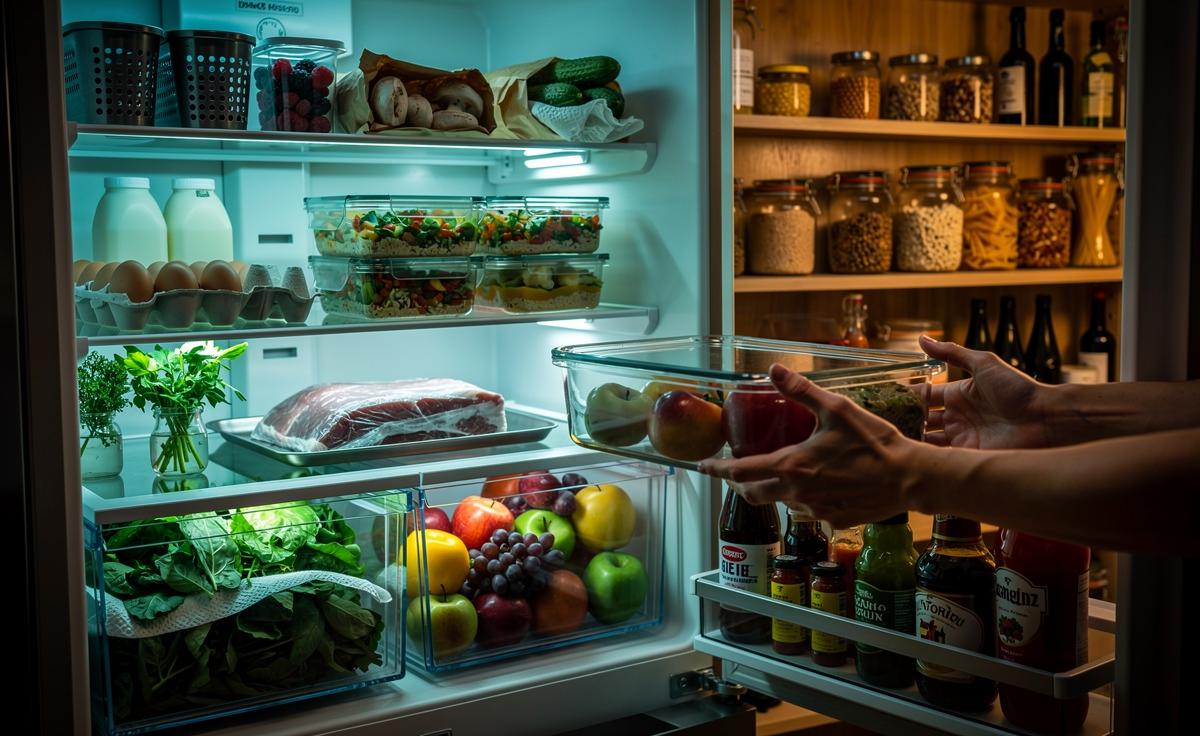
Your fridge isn’t a uniform climate. Heat rises, doors fluctuate, drawers trap humidity. Aim for 0–5°C overall, and buy a cheap fridge thermometer to police it. Set it and assume is how food spoils. The back lower shelf is generally coldest; the door is warmest. Raw meat belongs low to avoid drips. Milk and eggs prefer the interior shelves, not the door. Keep space for airflow—cramming blocks cold circulation and encourages condensation, which accelerates mould.
Use the crisper drawers deliberately: high humidity for leafy greens, low humidity for ethylene producers. Follow the simple map below and your perishables will last noticeably longer.
| Fridge Zone | Ideal Temp/Setting | Best For |
|---|---|---|
| Top/Middle Shelves | 2–5°C | Leftovers, dairy, cooked meats |
| Bottom Shelf (Coldest) | 0–2°C | Raw meat/fish in sealed trays |
| Door | 4–7°C (most variable) | Condiments, juice, butter |
| Crisper Drawer (High Humidity) | Closed vent | Leafy greens, herbs (wrapped), carrots |
| Crisper Drawer (Low Humidity) | Open vent | Apples, pears, avocados |
Practice FIFO—first in, first out. Park new groceries behind old. Store berries dry in breathable boxes, not washed till just before eating. Cool hot food fast—portion into shallow containers—and chill within two hours to keep it out of the bacterial danger zone. Transparency equals longevity: clear containers reduce “out of sight, out of mind” waste.
Dry Goods Done Right: Grains, Spices, and Oils
Pantry foods go stale because of three culprits: air, light, and heat. Mitigate them and you extend flavour and safety. Decant flour, sugar, and rice into sealed, rigid containers. For wholegrain flours and nut flours—rich in fragile oils—use the fridge or freezer. Label with purchase dates, then rotate. Add a bay leaf to rice or pasta jars if pantry moths have ever visited; it’s an old cook’s trick, and it works.
Spices aren’t immortal. Ground spices fade after 6–12 months; whole spices last longer. Buy modest quantities. Keep them away from the hob’s heat and steam, and never shake the jar over a steamy pot. Moisture clumps, flavour flees. A small grinder turns whole cumin or coriander seeds into vivid, fresh powder on demand. Store chilli flakes and paprika in the fridge if your kitchen runs warm to slow rancidity of their natural oils.
Oils demand darkness and cool. Choose dark glass and smaller bottles for premium extra virgin olive oil. Keep everyday oil by the stove, the rest in a cupboard. Nut and seed oils—walnut, flax, sesame—belong in the fridge. Nuts themselves freeze brilliantly; decant into zip bags to exclude air. Once you can smell staleness, rancidity has already won.
Fruit and Veg: Ethylene, Humidity, and Smart Prep
Some fruits emit ethylene, a gas that speeds ripening. Apples, bananas, kiwis, pears, and avocados are prime offenders. Keep them away from ethylene-sensitive veg like broccoli, leafy greens, and cucumbers. Want to ripen an avocado quickly? Bag it with a banana at room temperature. Want to slow it? Chill it once it’s just ripe. Proximity is power—use it or separate it.
Humidity matters. Set one drawer to high humidity and line it with a slightly damp cloth for spinach, rocket, and herbs. Treat soft herbs like flowers: trim stems and place in a jar of water, loosely covered. Coriander and parsley thrive this way; basil prefers room temperature. For low humidity, vent the drawer and keep apples, grapes, and peppers there. Do not refrigerate tomatoes, onions, garlic, or whole potatoes; cool, dark, and ventilated storage preserves flavour and texture.
Prepping saves time but shortens life. Cut carrots and celery keep well submerged in cold water (change daily). Wash berries in a mild vinegar solution (1:3 vinegar to water), dry thoroughly, then store on paper towel in a ventilated container. Wrap cucumbers and leafy greens in paper to wick moisture. Mushrooms want a paper bag, not plastic. Wet equals waste—manage condensation and you keep crunch.
Leftovers and Batch Cooking: Safety, Labelling, and Reheating
Leftovers are a gift if handled safely. Cool quickly in shallow containers and refrigerate within two hours. Most cooked dishes keep 2–3 days; rice and seafood lean closer to the short end. Freeze portions you won’t eat promptly—flat, labelled bags stack neatly and thaw quickly. Always mark the date and contents; future you will not remember that mystery tub.
Reheat to piping hot throughout—at least 74°C—for stews, sauces, and casseroles. Stir midway to eliminate cold spots. Only reheat once for best quality and safety. Defrost in the fridge, not on the counter. If you do quick-thaw in the microwave, eat straight away. Never refreeze raw foods once thawed; you can refreeze if you’ve cooked them in between.
Raw and ready-to-eat foods must be segregated. Keep raw meat on the bottom shelf in a rimmed tray to catch drips. Assign a “leftovers zone” in the fridge so meals don’t drift into the door’s warm currents. Pressure- or vacuum-seal soups and sauces to prevent freezer burn. For packed lunches, add an ice block; UK trains and offices are warm, and the bacterial danger zone doesn’t travel kindly.
Store like a chef and your groceries will last longer, taste better, and waste less. Tune the temperature, use the right container, and organise by zones rather than vibes. Small rituals—labelling, airflow, paper towels in the crisper—compound into serious savings over a month. The cheapest ingredient is the one you don’t throw away. Ready to reclaim your fridge and pantry one shelf at a time—what will you change first, and which habit are you ditching this week?
Did you like it?4.5/5 (30)