In a nutshell
- 🧼 Regularly changing pillowcases reduces surface bacteria, yeasts and mites, lowering breakouts and irritation by giving skin a cleaner nightly environment.
- 🧪 Dirty fabrics disrupt the skin barrier; accumulated oils, makeup and dust plus friction can clog pores—especially for side sleepers—leading to jawline comedones and redness.
- 🗓️ Recommended frequency: acne‑prone/oily every 1–2 nights; normal/combination 2–3 times weekly; increase changes when ill, sweating more or using rich night creams.
- 🧺 Smart washing: 40–60°C with fragrance‑free detergent, no softeners; dry fully, hot‑wash the pillow protector weekly and consider ironing cotton to minimise residual moisture.
- 🛏️ Better choices and habits: breathable fabric (cotton percale default, silk for lower friction, bamboo‑viscose varies), apply retinoids 20 minutes before bed, and keep hair products away from the face.
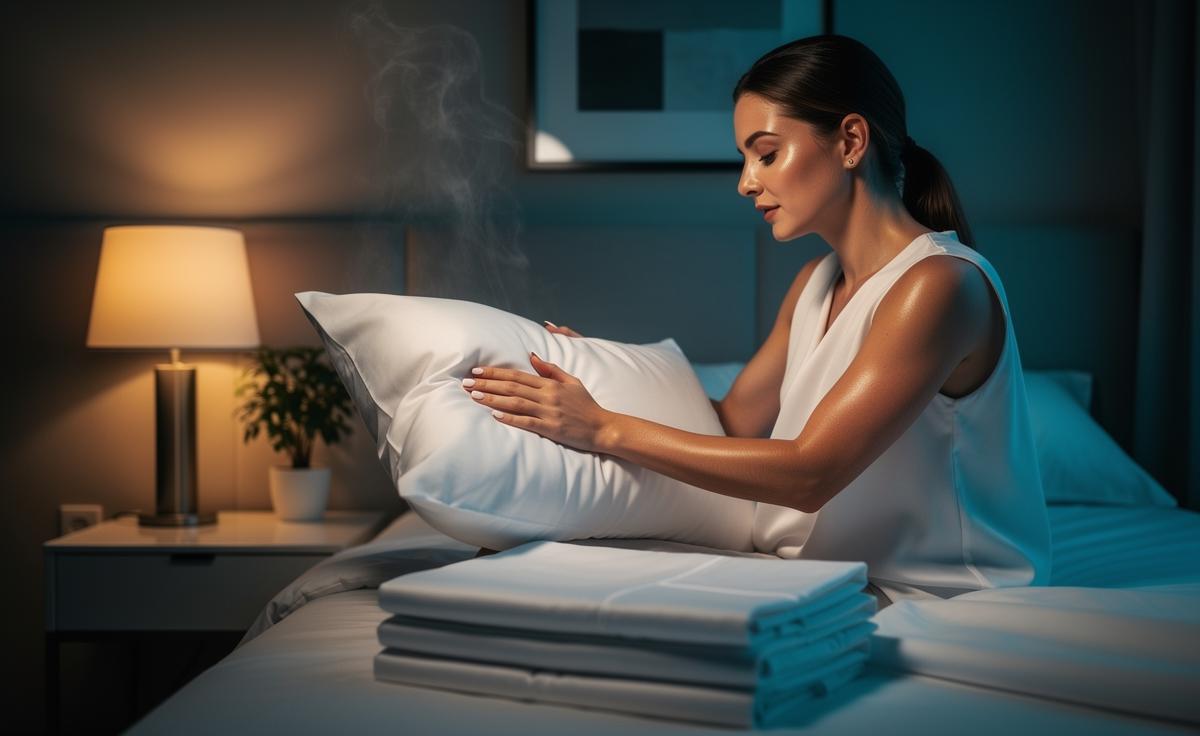
Roll your head across a pillow for eight hours and you create a bustling environment for oils, sweat, skincare residue, and stray hairs. Sleep is restorative, yet the fabric beneath your face can quietly destabilise your complexion. Dermatologists in the UK now point to a simple, low-cost habit with outsized impact: switching pillowcases more often. It sounds domestic, even dull. It isn’t. The humble pillowcase can harbour bacteria, yeasts, mites, and micro-irritants that nudge the skin toward breakouts and inflammation. Regular changes act like a reset button for your face’s nightly environment. Here’s how small laundry tweaks, fabric choices, and smarter sleep habits could steadily improve skin health without adding another bottle to your routine.
The Microbiome on Your Pillowcase
Skin sheds. Hair sheds. Sebum moves. By morning, a pillowcase holds a micro-archive of your life: oil, makeup pigments, sunscreen filters, and airborne dust. That residue feeds microbes, allowing populations of Cutibacterium acnes and Malassezia yeasts to flourish. For acne-prone or eczema-prone faces, this can be a tipping point. When microbial loads rise on a surface that repeatedly touches your cheeks, the odds of clogged pores and irritation rise too. Warmth and humidity from breath accelerate the process, particularly in centrally heated bedrooms where overnight perspiration is common.
Experts describe pillowcases as “semi-occlusive” sites: fabric traps moisture and presses it back onto the skin. That mechanical contact matters. Friction can aggravate sensitive areas along the jawline and temples, where many people report persistent papules. Add hair products such as waxes or leave-in conditioners and you’ve mixed a rich film with pore-clogging potential. A clean pillowcase breaks the chain. It reduces the biofilm transfer, cuts exposure to potential irritants, and gives the complexion a calmer stage on which to repair itself overnight.
How Dirty Pillowcases Disrupt the Skin Barrier
The skin barrier—those lipids and corneocytes that keep water in and irritants out—responds badly to constant low-grade assaults. Persistent contact with soiled fabric can disturb barrier lipids, especially when residue contains fragrance allergens, mineral sunscreen particles, or urban pollution caught in fibres. Compromised barriers lose moisture faster, become reactive, and let in irritants that stoke redness. People often blame a new serum for flare-ups that were, in part, triggered by yesterday’s pillowcase.
Then there’s pressure. Side sleepers exert repeated micro-pressure on the same patches of skin. Combine that with a build-up of sebum and debris, and follicles can become obstructed. Dermatologists see the pattern: clustered comedones along the side you sleep on most. In inflammatory conditions—like perioral dermatitis or seborrhoeic dermatitis—fabrics contaminated with yeast and oil can extend or intensify flares. The remedy is blissfully practical. Launder frequently, avoid harsh detergents that leave residues, and keep conditioners and heavy hair oils away from the face at night. Less residue equals fewer triggers, and fewer triggers mean calmer, clearer skin.
How Often to Change and How to Wash
There’s no single number for everyone, but the consensus is decisive: change pillowcases more than you think. For oily or acne-prone skin, every one to two nights is sensible during flare-ups. For normal to dry skin, two to three times per week usually suffices. If you’re ill, sweating more, or using rich night creams, increase the frequency. Think of fresh linen as part of your skincare, not an afterthought. The wash itself matters, too. Warm cycles (40–60°C) help reduce microbial load, and fragrance-free detergents lower the risk of contact dermatitis. Skip fabric softeners; their quats can linger and provoke irritation.
Dry pillowcases thoroughly to prevent musty odours and hidden damp. If allergies are an issue, consider a hot wash weekly for the pillow protector as well. Ironing cotton on a hot setting can add an extra hygienic step by smoothing fibres and reducing residual moisture. Below is a quick guide to help you calibrate your routine:
| Skin Type/Scenario | Fabric | Change Frequency | Washing Tips |
|---|---|---|---|
| Acne-prone/oily | Cotton or silk | Every 1–2 nights | 40–60°C, fragrance-free detergent |
| Combination/normal | Cotton percale | 2–3 times weekly | 40°C, skip softeners |
| Sensitive/eczema | Bamboo-viscose or silk | Every 2 nights | Gentle cycle, hypoallergenic detergent |
| Heavy hair products | Cotton | Nightly | Pre-rinse if visibly soiled |
Fabric Choices and Bedtime Habits That Matter
Fabric isn’t just a feel thing; it dictates how oils and moisture move. Crisp cotton percale is breathable and easy to launder, making it a solid default. Sateen finishes feel luxe but may hold onto oils more readily. Silk reduces friction, which some find helpful for fragile or curly hair and for minimising morning creases. Bamboo-viscose blends can be soft and breathable but vary by weave and finish. Whatever you choose, the winning move is frequent changes and clean-wash practices. A brilliant fabric used too long becomes the same old problem.
Your bedtime routine also shapes the pillowcase ecosystem. Apply retinoids and leave-on acids at least 20 minutes before lights out to limit transfer. Let moisturiser settle. Pull hair back loosely, or switch to lighter, non-comedogenic products in the evening. And don’t forget the unsung hero: a pillow protector, washed weekly, shields the pillow itself from sweat and makeup, reducing odour and dust mites. These incremental tweaks, multiplied over hundreds of nights, deliver a quieter complexion story and fewer mornings spent troubleshooting new bumps.
In beauty, we chase breakthroughs in bottles, yet the cheap, repeated interventions often carry the most weight. A clean pillowcase removes a steady drip of irritants, cutting friction, biofilm, and residue that compromise skin. It supports treatments you already use, rather than competing with them. It’s simple, it’s hygienic, and for many people it’s transformational. If you trial only one habit this month, make it this one and document the results with photos. Will you set a midweek linen change reminder, experiment with different fabrics, and see what your skin tells you after four weeks?
Did you like it?4.6/5 (22)