In a nutshell
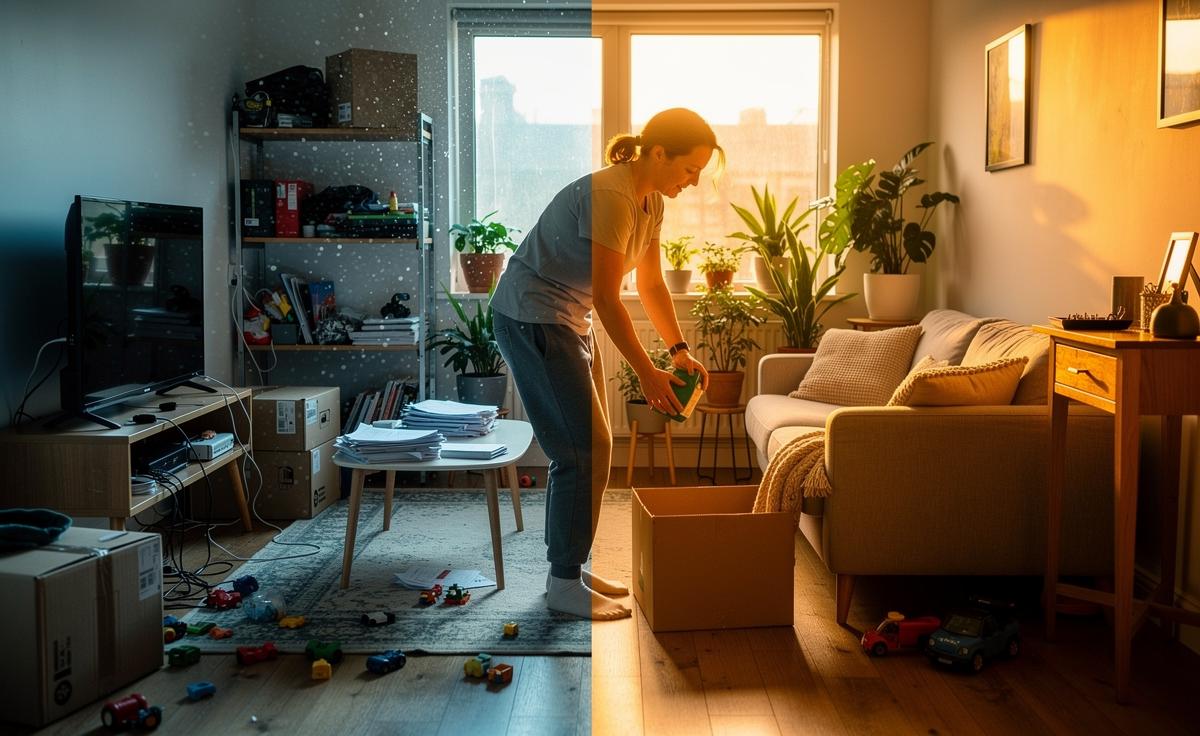
- 🧠 Clutter adds cognitive load and decision fatigue, draining focus and elevating stress; clearing a single zone restores attention and calm.
- ⚡ Start small with micro-habits—one drawer, 10-minute blitz, a donation outbox—to create quick, motivating mood boosts.
- 🏠 Design frictionless systems—key trays, hooks, launchpads, clear categories—so tidiness becomes automatic and protects daily wellbeing.
- 💛 Handle sentimental items with compassion: curate, photograph, set a fixed memory box, and choose ethical exits to reduce guilt.
- 🌤️ The payoff: more clarity, time, and ease; a calmer environment becomes powerful mood architecture that supports the life you want.
Open any cupboard and you’ll hear it: the sigh you didn’t know you were holding. In British homes short on storage and long on stuff, decluttering isn’t just a fad; it’s a practical lever for better mental health. Research consistently links household disorder with heightened stress and stalled motivation. Less mess, fewer micro-irritations, more calm. It can change how you feel today. By trimming visual noise and decision points, you reclaim time, attention, and a sense of control. This piece explores why clutter unsettles the mind, the small moves that deliver quick wins, and how to build rooms that back your wellbeing every day.
The Psychology Behind Physical Mess and Mental Stress
Clutter is not neutral. It adds cognitive load, demanding constant low-level choices: ignore, move, or use. Those mini-decisions sap energy. Clutter drains attention. Your brain keeps scanning unresolved piles, a background hum that degrades focus. That’s why a messy desk can make a simple email feel heavy. It’s not laziness; it’s friction. Visual noise elevates arousal levels, nudging your body into a mild, persistent alert state that leaves you jumpier and less patient by evening.
There’s also decision fatigue. When every surface tells a story—receipts, chargers, half-read books—your day becomes a chain of tiny negotiations. Over time, that breeds procrastination and low mood. The brain starts “greying out” opportunities because everything feels equally urgent. When everything matters, nothing does. Clearing one zone interrupts this cycle. You reintroduce hierarchy: the thing you’re doing now is visible; the rest can wait.
Crucially, tidy space signals safety. Predictable places for keys, meds, and bills reduce error and anxiety. That reliability shrinks mental bandwidth wasted on searches, which is why a fifteen-minute reset can feel surprisingly restorative. Order is mood architecture—blocks you can arrange to support the day you want.
Small Steps That Deliver Big Emotional Wins
Grand plans stall; tiny actions stick. Start with micro-habits that close loops quickly. Try “one drawer, one song”: clear a single drawer in the time it takes to play your favourite track. Or run a 10-minute hallway blitz before dinner, bagging obvious rubbish, post, and abandoned mugs. Start small, start now. Establish an “outbox” by the door for donations, free cycles, and returns, and empty it every Sunday. Use the three-box method—Keep, Rehome, Recycle—to stop dithering and keep momentum.
| Task | Time | Mood Boost |
|---|---|---|
| Clear bedside table | 8 minutes | Better sleep cue |
| Sort post into trays | 6 minutes | Less money anxiety |
| Set up donation outbox | 4 minutes | Instant progress signal |
| Kitchen counter wipe-and-empty | 12 minutes | Clean slate to cook |
Make it social or sensory. Use a podcast as your timer. Pair decluttering with a cup of tea and an open window for a reset that feels human, not punitive. Framed as care, not punishment, tidying becomes sustainable. Celebrate exits, not perfection: every bag to the charity shop is a measurable lift—space gained, decision closed, mind lighter.
Designing a Home That Protects Your Calm
Good systems make tidiness the path of least resistance. Create frictionless routines: a tray for keys at the door, hooks at child height, a lidded basket for rogue cables. If it’s hard to put away, it won’t be put away. Storage must be nearer than the floor. Corral categories—tools with tools, skincare with skincare—so retrieval is instinctive. Choose transparent containers for things you forget and opaque ones for visual calm. In rentals, removable shelves and over-door organisers add capacity without damage or drama.
Design with your day in mind. Prep a “launchpad” shelf for work bag, umbrella, travel card. In the kitchen, keep everyday items at arm’s height and relegate occasional gadgets high or low. Favour materials and colours that signal quiet: soft textures, warm woods, muted palettes. Natural light helps; so do lamps that avoid the harsh evening glare. Boundaries matter: a laundry basket per person; a toy zone with a defined limit. You’re not chasing magazine minimalism. You’re building a home that lowers your pulse on contact.
When Decluttering Touches on Identity and Grief
Not all clutter is equal. Some objects hold stories—graduation gowns, inherited china, baby clothes—and letting go can feel like betrayal. Name the feeling. Are you protecting memory, self-image, or a person you miss? Compassion is a practical tool here. Curate, don’t erase. Photograph bulky mementos, select one tactile piece for daily life, and store the image, not the object. Try a “memory box” with a fixed limit; when it’s full, you edit, not expand. Language helps too: call donations “re-circulation” to emphasise use, not loss.
Work with consent and care when family is involved. Agree categories you’ll tackle alone and those you’ll decide together. For heirlooms no one uses, arrange a family snapshot before gifting to a cousin or a museum shop. If decisions feel raw, postpone, label clearly, and revisit in a month. Ethical exits soften the edge: charity shops, local reuse hubs, school art departments. Keep the best, release the rest. The goal isn’t a sterile room; it’s to carry your past lightly so your present can breathe.
Decluttering is less about throwing things away and more about shaping a daily environment that supports who you are becoming. Small wins compound. Systems turn willpower into habit. And the emotional work—naming attachments, choosing what still serves—brings surprising relief. A calmer room makes a kinder day. Whether you start with a drawer or the busiest hallway in Britain, the result is the same: more clarity, more ease, more time. What single space could you clear this week that would make tomorrow morning feel noticeably different?
Did you like it?4.5/5 (24)