In a nutshell
- 🪴 Mint and Basil repel pests via aromatic terpenes (menthol, linalool, eugenol) that mask attractants and disrupt insect navigation—acting as a repellent, not a toxin.
- 🧪 Two DIY sprays: a fresh-leaf infusion (2 cups herbs simmered in 500 ml water + 1 tsp surfactant) and an Essential oils blend (water + witch hazel/vodka with 15 drops peppermint + 15 drops basil); label, refrigerate or store cool, and shake before use.
- 🐾 Safety first: use sparingly around pets (especially cats) and sensitive people, avoid blossoms to protect pollinators, ventilate rooms, and rely on biodegradable mixes without dumping into waterways.
- ⏰ When/where: spray at dusk on doors, window tracks, bins, tables, and skirting; reapply every 24–48 hours or after rain, clean surfaces first (vinegar for ant trails), and rotate with citronella or lemongrass.
- 📊 Targets and expectations: effective against ants, flies, gnats, and mosquitoes; reduces landings and loitering, but works best within an integrated routine of tidying, sealing, and screening.
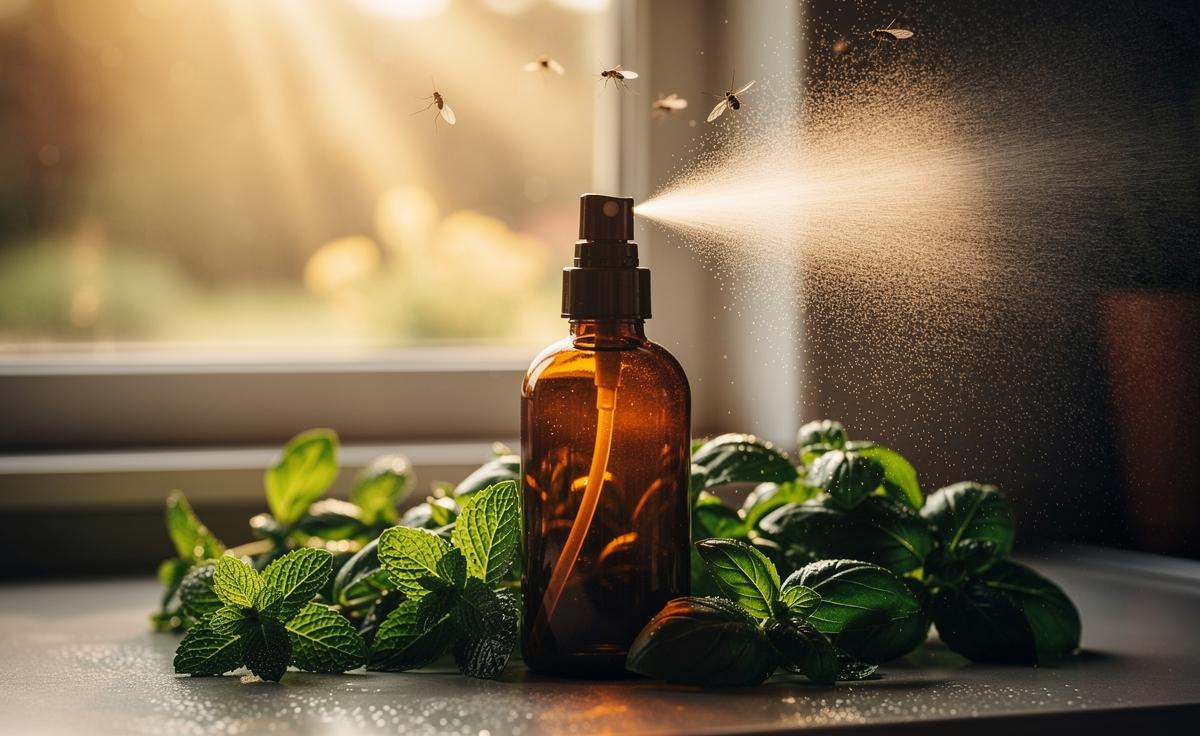
When summer arrives, so do gate-crashing insects. Before you reach for harsh aerosols, consider a kitchen-counter alternative with a surprisingly muscular pedigree: a simple spray made from mint and basil. These herbs don’t just smell fresh; they arm your home with botanically derived compounds that scramble an insect’s ability to find you, your food, or your plants. It’s low-cost. It’s easy to assemble. It’s refreshingly fragrant. And for households looking to dial down synthetic chemicals, it’s an appealing first line of defence. Used intelligently, plant-based scents can lift your living space while gently pushing pests away. Here’s how and why this spray works, and how to make it properly.
Why Mint and Basil Repel Common Pests
Plants evolved chemical artillery. Mint (Mentha spp.) brims with menthol, menthone, and other terpenes that confuse scent receptors in flies, ants, and mosquitoes. Basil (Ocimum basilicum) carries linalool and eugenol, aromatic molecules that disrupt an insect’s navigation and feeding cues. To us, they’re fresh notes. To pests, they’re noise. The result: insects are less likely to land, linger, or feed. You’re not poisoning; you’re masking attractants and creating an odour landscape they’d rather avoid. That distinction matters because a repellent’s mission is to reduce contact, not to kill. Expect fewer intrusions at entry points, calmer evenings on the patio, and less interest in your fruit bowl.
Laboratory studies repeatedly show terpenes impede mosquito host-seeking and ant trail-following. Field performance varies with heat, wind, and how consistently you reapply. Scent strength fades, so timing is everything. Think of the spray as a flexible tool inside a wider routine: clean up crumbs, seal bins, fit window screens. When the basics are right, mint and basil pull above their weight. Below are key compounds and likely targets, as a quick reference for planning where to mist.
| Plant/Blend | Key Compounds | Likely Targets | Notes |
|---|---|---|---|
| Mint (peppermint/spearmint) | Menthol, menthone | Ants, flies, mosquitoes | Sharp odour masks food cues around doors and bins |
| Basil | Linalool, eugenol | Mosquitoes, whiteflies, houseflies | Milder aroma; good near worktops and plant pots |
| Mint + Basil Blend | Mixed terpenes | Gnats, midges, general nuisance insects | Broad scent profile improves coverage and persistence |
A Step-by-Step Guide to Homemade Spray
Two routes work: fresh herbs or essential oils. For a fresh infusion, bruise 2 packed cups of mint and basil leaves. Simmer in 500 ml water for 10 minutes, cool, then strain. Add 1 teaspoon mild liquid soap as a surfactant so droplets cling to surfaces. For an oil-based version, combine 250 ml water with 250 ml witch hazel or cheap vodka, then add 15 drops peppermint oil and 15 drops basil oil. Shake vigorously before each use. Essential oils are concentrated; measure carefully and keep away from eyes and mucous membranes.
Decant into a fine-mist bottle. Label and date it. The herb infusion lives happily in the fridge for a week; the alcohol-based blend can last a month. Mist around door frames, window tracks, skirting boards, compost caddies, and under the lip of outdoor tables. For fabrics or varnished wood, test a small hidden patch first. The scent should be noticeable without being overpowering. Reapply every 24–48 hours in warm weather, after rain, and before alfresco meals. If you can no longer smell the blend, insects probably can’t either—time to refresh. Keep a small travel bottle for picnics and tents.
Safety, Pets, and Environmental Considerations
Plant-based doesn’t mean risk-free. Cats and small pets can be sensitive to essential oils, and birds are fussy about strong vapours. Use sparingly, ventilate rooms, and never spray directly on animals, bedding, or aquaria. If you’re gardening, avoid misting open blossoms to protect pollinators; target leaves, pots, and bench legs instead. Avoid skin contact with undiluted oils and wash hands after mixing. Store bottles out of children’s reach and away from heat. If someone in the household has asthma or fragrance sensitivities, start with the gentler leaf infusion and increase strength slowly.
From an environmental standpoint, you’re sidestepping residual synthetic pesticides that can persist in dust or runoff. The biodegradable nature of water, alcohol, and soaps keeps the footprint light, yet common sense still applies: don’t dump leftover mixture into streams or ponds. Reuse bottles where possible to cut plastic waste. If you garden organically, this spray fits neatly with mulch, trap crops, and netting. Think of it as a nimble, targeted nudge rather than a blanket solution. That mindset keeps both expectations and impacts in balance.
When to Use, Where to Spray, and What to Expect
Timing drives results. Apply at dusk to intercept mosquitoes and midges before they spiral in. In kitchens, mist lightly after you’ve wiped counters and sealed food—no crumbs, no party. Outside, focus on picnic tables, chair legs, bin lids, and the underside of parasols. Indoors, trace thin lines along window sills, vents, and gaps where pipes enter walls. A weekly rhythm suits mild weather; step up to every day during heatwaves or when you notice activity spikes. This is a repellent, not a silver bullet. You’re creating a scented perimeter while you fix root causes.
Realistic expectations help. The blend curbs landings and loitering, but it won’t dislodge a thriving nest or cure a fruit fly bloom fed by forgotten peels. Pair it with tidy bins, dry sinks overnight, and screens without tears. For persistent ant trails, wipe with vinegar before spraying so the terpenes don’t fight old odours. You can also rotate botanicals—add a few drops of citronella or lemongrass—to prevent “nose fatigue” in frequent-use zones. If rain rinses surfaces, reapply as soon as they dry. Track what works in each room; homes differ, and so do insects.
Mint and basil deliver a clean scent and a clever defence, a small ritual that makes a noticeable difference to daily comfort. The spray is quick to mix, inexpensive to maintain, and adaptable to porches, kitchens, tents, and balconies. Use it to claim back dinnertime, to protect seedlings, or to keep flies off the compost caddy while you cook. With a few measured drops and steady routines, nature’s aromas become your quiet ally. What combination, timing, or target area will you test first to build your own mint-and-basil strategy against seasonal pests?
Did you like it?4.5/5 (27)