In a nutshell
- 🧪 Acidity neutralises odours: acetic acid in vinegar protonates basic molecules like amines and ammonia, forming non‑volatile salts that stop evaporating—so smells fade instead of being masked.
- ⚗️ Simple DIY formula: use distilled white vinegar (5%); mix 1:1 to 1:2 with water, add a drop of washing‑up liquid for greasy residues, and allow 30–90 seconds of contact before wiping.
- 🧴 Targeted use cases: quick wins on bins, chopping boards, trainers, fabric sofas, car interiors, and bathroom edges; mist lightly, wait, then wipe or blot—good airflow speeds results.
- ⚠️ Safety and limits: never mix with bleach; avoid natural stone and delicate metals; acidity won’t fix acidic spills or heavy grease—use pH‑neutral or enzyme cleaners where needed.
- 🚀 Fast, low‑cost freshness: a labelled spray resets rooms in seconds, replacing perfume cover‑ups with real chemical neutralisation—keep one in the kitchen and near shoes for everyday odours.
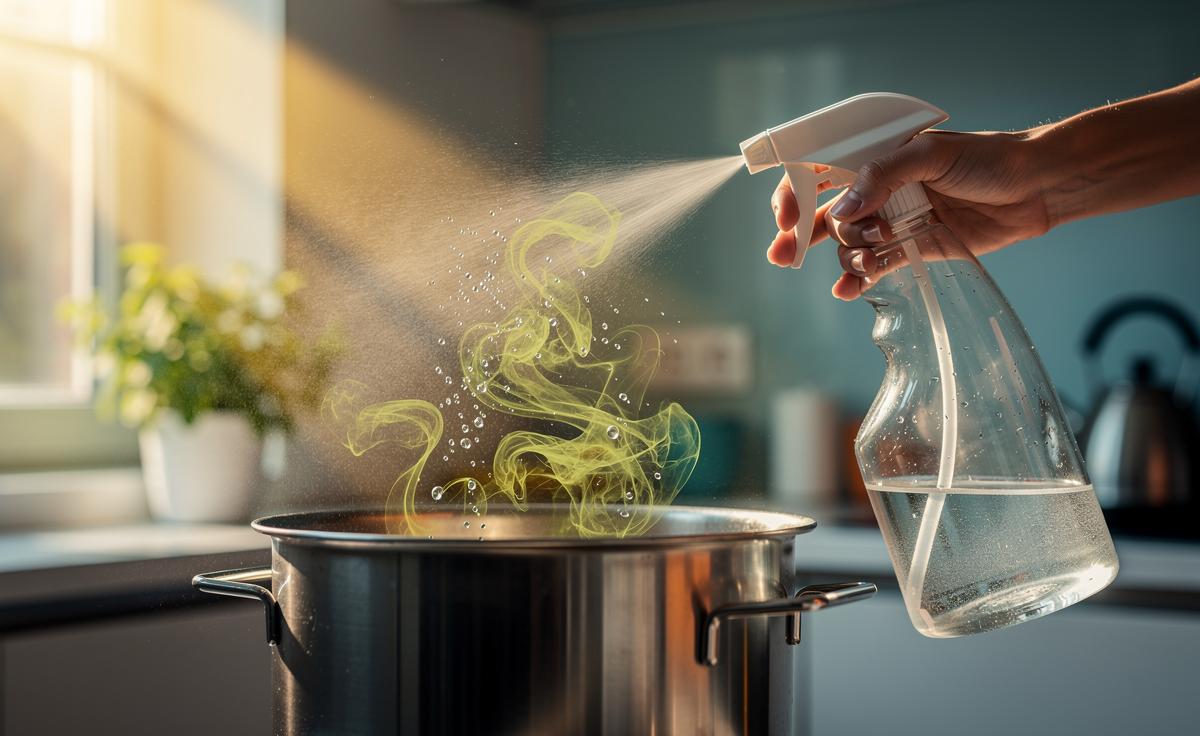
Stale trainers after a commute. A whiff of last night’s curry clinging to the hallway. The dog’s bed, valiant but pungent. When odours linger, a simple vinegar spray can reset the room in moments by leaning on something quietly powerful: acidity. White vinegar’s acetic acid doesn’t just mask; it reacts with the volatile molecules we perceive as smell. It reduces their ability to evaporate, and therefore to reach your nose. Quick to mix, cheap to keep, and surprisingly versatile, it turns a tiresome chore into a swift habit. Here’s how the chemistry works, how to make it properly, and where it shines.
Why Acidity Beats Bad Smells
Most stubborn household odours come from basic molecules such as amines and ammonia released by sweat, fish residues, bins, or pet accidents. Acetic acid (the active in vinegar, typically 5%) donates protons to these bases, creating non-volatile ammonium or ammonium-like salts. The effect is immediate: the malodorous compound’s vapour pressure plummets, fewer molecules enter the air, and the smell fades. That’s neutralisation, not perfume. By changing chemical form, the stink stops travelling.
There’s more going on. Many odours cling to surfaces via thin grime films. Being mildly acidic, vinegar helps break mineral films and lift residues so they can be wiped away, removing both the smell and its source. It’s why a quick spray-and-wipe near bins or drains often restores freshness in seconds. Still, limits exist. Acid won’t neutralise other acids (think sour milk) and won’t dissolve heavy grease without help from a surfactant.
Use with care on materials sensitive to acid. Natural stone such as marble, limestone, or travertine can etch. Certain metals dull. And one rule stands above all: never mix vinegar with bleach; the reaction can release toxic chlorine gas. Keep it simple, keep it separate, and you’ll keep it safe.
Making the Perfect Vinegar Spray
The winning formula is straightforward. Choose distilled white vinegar at around 5% acetic acid. For everyday jobs, mix 1 part vinegar to 1–2 parts water in a clean trigger bottle. For stronger odours such as fish or sweaty trainers, go 1:1. Add a single drop of washing-up liquid if you’re tackling greasy residues; it improves wetting without turning the spray soapy. Prefer a softer scent? A couple of drops of essential oil is optional, but the odour-fighting work is done by acidity, not fragrance.
Label the bottle, store it cool, and use within a few months. Patch-test on an inconspicuous area first. For speed, mist the source, wait 30–60 seconds so the acid can protonate odour molecules, then wipe or blot. On fabrics, light misting and airflow beat saturation. Here’s a quick guide to dilution and contact time.
| Odour Source | Likely Culprit | Suggested Dilution | Contact Time |
|---|---|---|---|
| Bins, food spills | Amines, ammonia | 1:1 | 30–60 seconds |
| Sweaty trainers, gym kit | Amines, bacteria byproducts | 1:1 to 1:2 | 45–90 seconds |
| Pet accidents (fresh) | Ammonia, urea residues | 1:1 | 60 seconds, then blot |
| Fridge interiors | Mixed volatiles | 1:2 | 30 seconds, then wipe |
How and Where to Use It
Think in zones and moments. In the kitchen, a swift mist around the bin lid and inside the liner collar tames lingering food volatiles fast. The same for chopping boards—after washing, a light spray neutralises amine-rich fish odours before they drift. In the hallway, hit trainers: remove insoles, spray lightly, air-dry. For fabric sofas or car interiors, mist from 30–40 cm, let air circulate, avoid soaking. Airflow accelerates odour drop-off, because as molecules convert to salts, clean air clears what’s left.
On bathroom duty, target the base of the loo, skirting gaps, and the bin. For pet mishaps, blot first, spray, wait a minute, blot again, then rinse with water and blot dry. Vinegar handles the sharp ammonia tones; follow up with an enzyme cleaner if staining persists. Avoid natural stone and delicate finishes; instead, clean those with pH-neutral products. If in doubt, test—then trust the chemistry. The joy is speed: a two-step mist-and-wipe resets odour hot spots before they dominate a room.
Vinegar’s punch lies in elegant chemistry rather than heavy perfume: acidity converts stink into silence. It’s cheap, quick, and endlessly practical, freeing you from the cycle of covering up smells that promptly return. Keep a small spray in the kitchen, another by the shoe rack, and you’ll solve odours in the moment they appear. A few seconds of contact time can save hours of lingering whiff. Where will your first test be—the fridge door seal, the gym bag, or the recycling caddy—and what other clever uses might you uncover once you’ve seen how fast it works?
Did you like it?4.3/5 (29)