In a nutshell
- 🕰️ Spot early signs of Seasonal Affective Disorder (SAD): flattening joy, anhedonia, leaden fatigue, hypersomnia, carb cravings, poor focus, and social withdrawal lasting 2+ weeks in late autumn/winter.
- 🔍 Distinguish SAD from winter blues: greater intensity, longer duration, functional impairment, and seasonal recurrence over 2+ years; rule out lookalikes like thyroid issues, iron deficiency, or sleep apnoea.
- 🇬🇧 Understand UK-specific risks: short daylight, dark commutes, shift work, and low morning light disrupting the circadian rhythm; consider vitamin D in winter and reduce late-night screens and alcohol.
- 💡 Act early: seek morning light or a 10,000 lux light box, keep a regular sleep window, take outdoor walks, plan social contact, and consider CBT; track mood, sleep, and daylight exposure.
- 🆘 Know when to escalate: if symptoms impair life or include hopelessness, see your GP; treatments can include SSRIs. In crisis, contact NHS services or Samaritans (116 123). Early action shortens the season.
As the clocks fall back and afternoons dim into night, many Britons notice their mood dipping with the daylight. A quiet slump is common. But for some, the shift becomes a familiar, debilitating cycle. Recognising the earliest signs of Seasonal Affective Disorder (SAD) can prevent months of struggle, and it can put you back in charge of your calendar, your work, and your relationships. Think of it as weatherproofing your mental health. Early recognition makes recovery easier. The trick is to spot patterns, not just bad days. Here’s how to tell when winter blues are tipping into something that deserves proper attention, planning, and timely support.
Early Warning Signs You Shouldn’t Ignore
SAD often begins with barely noticeable changes. A subtle flattening of joy. A creeping reluctance to leave the house. When activities that normally lift you feel more like chores, you may be looking at anhedonia, a core symptom. Energy dips, sure, but pay attention to the type: a heavy, leaden fatigue that sleep doesn’t fully fix. Many people report hypersomnia—sleeping longer, yet waking foggy. Cravings for carbs spike; weight nudges up; concentration stutters. Small tasks feel mountainous. If these shifts persist for two weeks and cluster in late autumn or winter, treat them as a flag.
Other early clues include irritability, slowed thinking, and social withdrawal. Notice how often you cancel plans or stop answering messages. Track timing: does your low mood arrive as daylight shortens and lift reliably in spring? Keep a simple log—sleep, mood (1–10), time outdoors, appetite. The act of tracking helps you see patterns you can’t feel in the moment. Look also for morning “heaviness,” difficulty waking despite adequate sleep, and a sense of being “out of sync.” Those rhythms matter; circadian disruption sits at the heart of SAD.
Importantly, watch functional impact. Are deadlines slipping? Is parenting patience thinning? Is exercise vanishing from your week? When low mood starts to alter habits and performance, intervene early. That might mean adjusting light exposure, tightening sleep routines, or booking time with your GP before January arrives.
Distinguishing SAD from Winter Blues
Plenty of people feel a touch glum as the sun disappears. The key difference with SAD is intensity, duration, and impairment. Winter blues often wax and wane with weather; SAD endures for weeks and hits daily life—work, relationships, self-care. Another hallmark: seasonality that repeats over at least two consecutive years. Patterns that recur with the seasons are a diagnostic clue. If you’re unsure, compare your experience against typical features:
| Feature | Winter Blues | Possible SAD Indicator | What to Track |
|---|---|---|---|
| Duration | Days here and there | 2+ weeks most days | Daily mood (1–10) |
| Energy | Tired on dark days | Persistent fatigue despite sleep | Sleep hours and quality |
| Sleep | A bit more sleep | Hypersomnia, hard to wake | Wake time + sleep inertia |
| Appetite | Slight comfort eating | Carb cravings, weight gain | Cravings and meals |
| Function | Low motivation occasionally | Work or study performance drops | Missed tasks/absences |
Also consider medical lookalikes. Thyroid dysfunction, iron deficiency, sleep apnoea, and medication side effects can mimic SAD. A quick check with your GP can rule these out. If you have a history of depression or bipolar disorder, discuss seasonal patterns early in autumn; treatment nuances differ. Crucially, winter blues respond to a sunny day. SAD often shrugs at weather and only shifts with structured strategies.
Risk Factors and Triggers in the UK Context
Latitude matters. In northern parts of the UK, winter daylight can feel brutally brief, and commuting in the dark compounds the hit to your circadian rhythm. Office life doesn’t help: arriving before sunrise, leaving after sunset, and spending the day under dim indoor lighting. Low morning light exposure is a prime trigger. Shift workers and those in windowless environments are especially vulnerable. Remote workers who rarely step outside before noon report similar patterns.
Other risks: a personal or family history of depression, being in your teens or twenties, and being female. Hormonal transitions—postpartum months, perimenopause—can lower resilience to seasonal mood shifts. There’s also the vitamin piece: UK guidance recommends considering vitamin D supplementation in autumn/winter because sunlight is scarce. While vitamin D is not a cure, low levels may nudge energy and immunity in the wrong direction.
Biology meets behaviour. Late-night screens, irregular bedtimes, and heavy evening alcohol push your internal clock later, colliding with dark mornings. That “phase delay” boosts melatonin at the wrong times, deepening grogginess and gloom. When lifestyle tilts and light scarcity align, risk rises. The good news: these are modifiable. Small shifts—earlier light, brisk walks at lunch, a consistent sleep window—can move your clock forward and blunt symptoms before they crest.
Practical First Steps and When to Seek Help
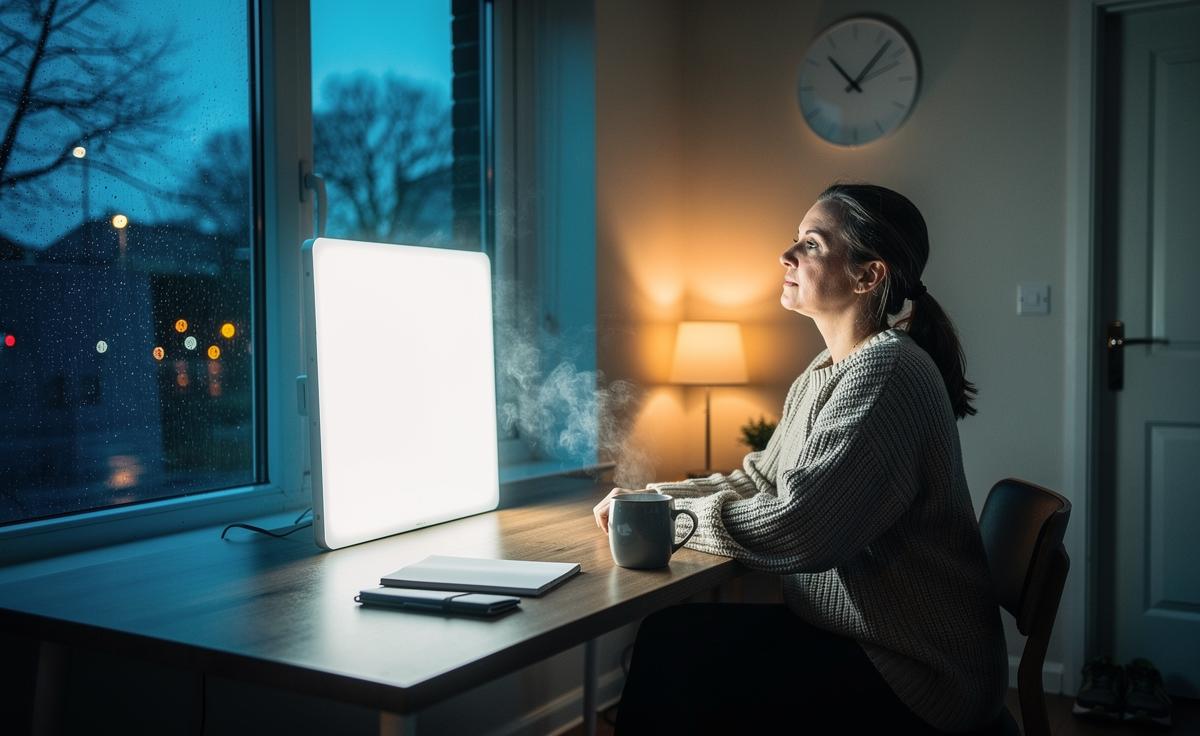
Start with light. Aim for strong morning light within an hour of waking. If outdoor light is limited, consider a certified 10,000 lux light box used at arm’s length for about 20–30 minutes. Place it slightly off-centre while you read or work. Consult your GP if you have eye conditions or bipolar disorder. Combine light with a regular wake time, a brief outdoor walk at midday, and a wind-down routine that trims evening screens. Protect the bookends of your day—morning light, evening calm.
Move your body. Short, brisk sessions—10 minutes, three times daily—can be enough to lift mood, especially outdoors. Plan joy on purpose: schedule social contact, even low-key. Cook once, eat twice to reduce decision fatigue. Consider evidence-based talking therapies such as CBT or CBT tailored for SAD; ask your GP about NHS options or reputable charities. Many find a daily vitamin D supplement (10 micrograms/400 IU, as per UK advice) helpful for general health—check this is appropriate for you.
Know when to escalate. If symptoms persist beyond two weeks, impair function, or include thoughts of hopelessness, book a GP appointment. Antidepressants, often SSRIs, can be effective; expect a few weeks before full benefit. If you experience any self-harm urges or suicidal thoughts, seek urgent help—contact your GP, call NHS 111, or in an emergency call 999. Samaritans are available 24/7 on 116 123. Help early, not after the hardest month. Early action shortens the season.
Winter will always come. Your response doesn’t have to be passive. By tracking patterns, boosting morning light, simplifying routines, and seeking timely support, you can blunt the annual downswing and reclaim your cold-weather months. Think proactive rather than reactive. Prepare in October; review in January; adjust in March. SAD is treatable, and most people improve with a tailored mix of light, routine, therapy, and sometimes medication. What’s your first small step this week to test whether early changes could shift your winter—and which cue will remind you to start tomorrow morning?
Did you like it?4.4/5 (26)