In a nutshell
- 🍽️ Skipping lunch triggers glucose variability, cortisol spikes, and evening overeating, raising risks for weight gain and Type 2 diabetes, especially when calories shift to late night against circadian biology.
- 🧠 Under-fuelled brains mean slower reactions, poorer focus, and lower mood; in safety-critical roles this undermines workplace safety, while decision fatigue and lost social eating erode team cohesion and quality.
- 🥦 Lunch covers vital protein, fibre, and micronutrients like iron, B12, calcium, iodine, and omega‑3; persistent gaps drive fatigue, weaker immunity, and stubborn cravings.
- 🏢 UK culture and policy collide: despite the Working Time Regulations 1998, staff skip breaks due to workload, gig-economy pressures, and poor facilities; employers can fix this with protected breaks, rotas, and decent canteens.
- 🔧 Practical fixes: eat within 5–6 hours of breakfast, use a “second breakfast,” pair protein and fibre, hydrate, keep an emergency snack kit, and time time-restricted eating to prioritise a proper midday meal (night-shift workers should flip the window).
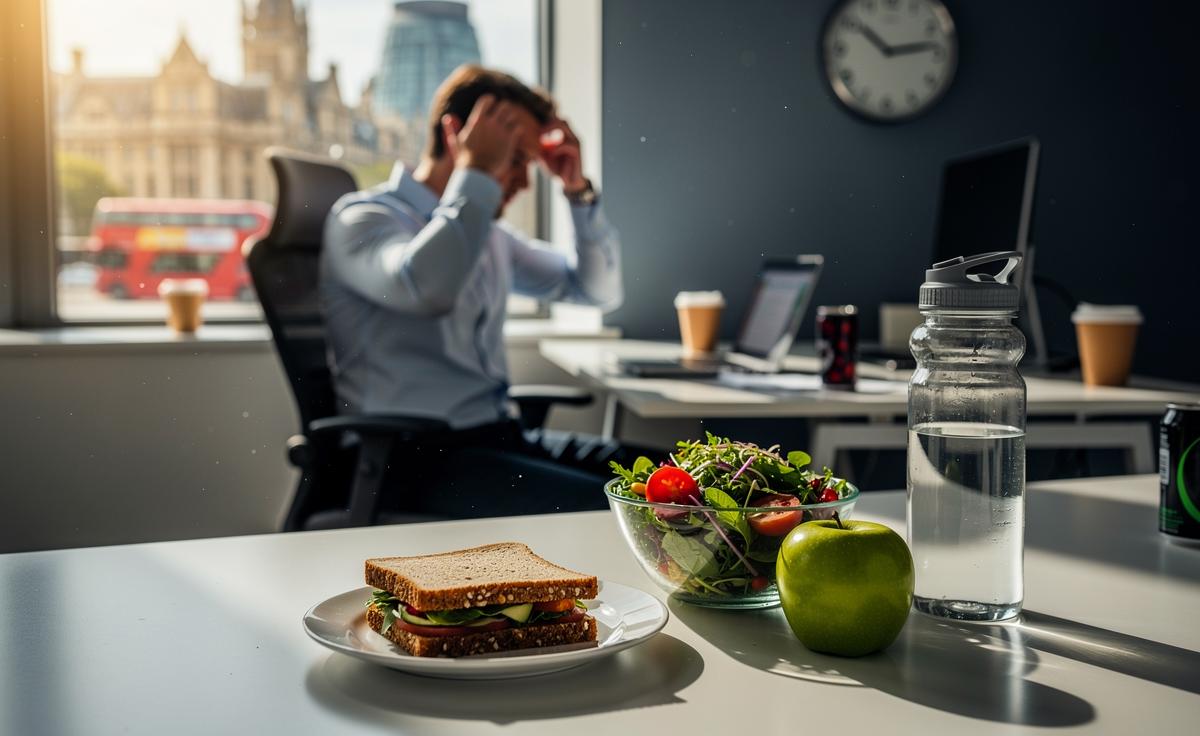
Across Britain’s offices, hospitals, and cabs stuck on the M25, lunch is increasingly treated as optional. Many people think skipping it sharpens focus and trims calories. The data say otherwise. Dietitians and occupational health experts flag a mounting list of hidden risks when the midday meal disappears. Blood sugar lurches. Mood frays. Decision quality slips. What feels like productivity can, in reality, be a slow leak of energy, judgement, and long‑term health. With the cost‑of‑living crunch and “al desko” culture normalising meal delays, the UK’s lunch break is under pressure, and so are our bodies’ carefully tuned rhythms that keep appetite, hormones, and metabolism in balance.
Metabolic Whiplash and Hormonal Stress
Your body expects midday fuel. When it doesn’t arrive, the endocrine system compensates. The liver releases glucose, cortisol rises, and appetite hormones swing. That short-term patch keeps you upright. It also seeds a later crash. Skipping lunch often provokes bigger evening portions and sharper insulin spikes, a pattern linked to weight gain and metabolic strain. Researchers describe this as glucose variability—rapid highs and lows that stress blood vessels and the brain. Over months, that volatility may nudge risk for Type 2 diabetes and fatty liver.
Timing matters. Human metabolism is circadian. We handle carbohydrates more efficiently earlier in the day; late-night calories are more likely to be stored. Miss lunch, then graze at 9 pm, and the odds tilt against you. People also mistake low energy for dehydration or caffeine withdrawal, doubling down on coffee rather than protein and fibre. The result is jittery alertness that collapses mid‑afternoon. Add ultra‑processed snacks and you compound the loop. Short term, you feel wired, then empty. Long term, you drift toward visceral fat, higher blood pressure, and stubborn cravings that are hard to tame.
Cognition, Mood, and Workplace Safety
Brains burn glucose. Starve that supply, and attention frays. Small lapses multiply. In knowledge work, that looks like sloppy emails and missed nuance. In safety‑critical roles—clinicians on call, HGV drivers, engineers—that looks like error. Under‑fuelled staff make more mistakes, react slower, and report lower job satisfaction. Mood darkens too. We know the feeling: “hangry,” short‑tempered, anxious. Chronic under‑eating at midday can intensify stress reactivity, nudging vulnerable people toward insomnia and rumination.
Headaches, light‑headedness, and reduced fine motor control are common. So is decision fatigue. Hungry people discount the future, taking quick fixes over sound plans. That’s not willpower failure; it’s biology shunting resources to keep you going now. There’s a social toll as well—missed breaks mean missed bonding. Teams that eat together often share information informally, catching risks before they escalate. Strip away that ritual and you lose a safety net. Productivity may look steady on spreadsheets. The hidden costs—rework, complaints, low morale—accumulate quietly.
Nutritional Gaps That Creep Up
Lunch isn’t just calories. It’s a daily opportunity to land protein, fibre, and crucial micronutrients the UK population commonly lacks. Women of reproductive age already face high rates of iron deficiency. Vegans and vegetarians must plan for vitamin B12. Those avoiding dairy risk low calcium and iodine. When lunch vanishes, the window to cover these bases narrows, especially for shift workers whose breakfast is rushed and dinners slide late. Miss one nutrient once and nothing much happens; miss several, quietly, for months, and fatigue, hair loss, and low immunity start knocking.
| Nutrient | Why Lunch Matters | Early Signs of Shortfall |
|---|---|---|
| Iron | Adds non‑heme iron sources with vitamin C to aid absorption. | Tiredness, pallor, breathlessness on exertion. |
| Protein | Supports satiety and muscle repair between breakfast and dinner. | Persistent hunger, poorer recovery from exercise. |
| Fibre | Helps reach the 30g/day target; stabilises blood sugar. | Bloating, irregularity, energy dips. |
| Calcium/Iodine | Easy to include via yoghurt, fortified plant drinks, fish. | Bone health risks, thyroid sluggishness. |
| Omega‑3 | Oily fish or fortified options can slot neatly into lunch. | Dry skin, low mood, inflammation markers. |
The fix isn’t complicated. A sandwich layered with lean protein and veg, a pulse‑based salad, leftovers with wholegrains—any of these stabilise appetite and backfill gaps your breakfast didn’t cover. Small habit, big dividend.
Social and Structural Drivers in the UK
Skipping lunch is seldom a purely personal choice. It reflects culture and policy. The UK’s Working Time Regulations 1998 entitle most employees to a 20‑minute uninterrupted break when working more than six hours, yet countless workers eat at their desks, or not at all, because service targets and short staffing squeeze time. Gig‑economy cyclists and carers on tight schedules face an even sharper trade‑off: pause to eat and lose income. When a system rewards presenteeism, it punishes the simple behaviours that keep people healthy and safe.
Hybrid work adds a twist. At home, boundaries blur and meetings land across lunch. On site, facilities can be bleak—no fridges, limited microwaves, vending machines packed with salt and sugar. Employers shape outcomes here. Protected breaks, staggered rotas, decent canteens, and leadership that actually takes lunch signal permission. Public messaging matters too. Britain has celebrated breakfast campaigns and five‑a‑day. Lunch deserves similar prominence, especially for teenagers in post‑16 education and NHS staff working shifts. Treat the midday meal as infrastructure, not indulgence.
Practical Fixes Backed by Dietitians
Experts suggest thinking in anchors, not rules. Aim for a midday meal within a five‑to‑six‑hour window of breakfast. If chaos strikes, use a “second breakfast” at 11 am: yoghurt and berries, hummus and oatcakes, a tuna roll. Pairing protein with fibre is the simplest way to steady energy and mood. Keep an emergency kit—nuts, tinned fish, wholegrain crackers, fruit—at your desk or in the van. Hydrate early; mild dehydration masquerades as hunger and fatigue. Coffee has its place, but water and milk do more for performance.
For those experimenting with time‑restricted eating, shift the fasting window later. Skipping dinner is metabolically kinder than skipping lunch for most day workers. Night‑shift staff should flip the logic: protect the “biological lunch” in their wakeful window. And remember the social side—eating with colleagues counters stress and builds teams. The bottom line isn’t heroic self‑denial. It’s consistent, ordinary meals that let your brain and body do their jobs without drama.
Lunch isn’t a luxury; it’s a lever. The science is clear that frequent midday fasting can chip away at metabolism, cognition, and morale, even if the damage is hard to see day to day. Protecting a simple, balanced meal at work is an efficiency play as much as a health choice, and it’s achievable with small structural tweaks and a little foresight. As your schedule flexes this week, where could you carve out 20 protected minutes—and what would make that habit stick in your world?
Did you like it?4.6/5 (23)