In a nutshell
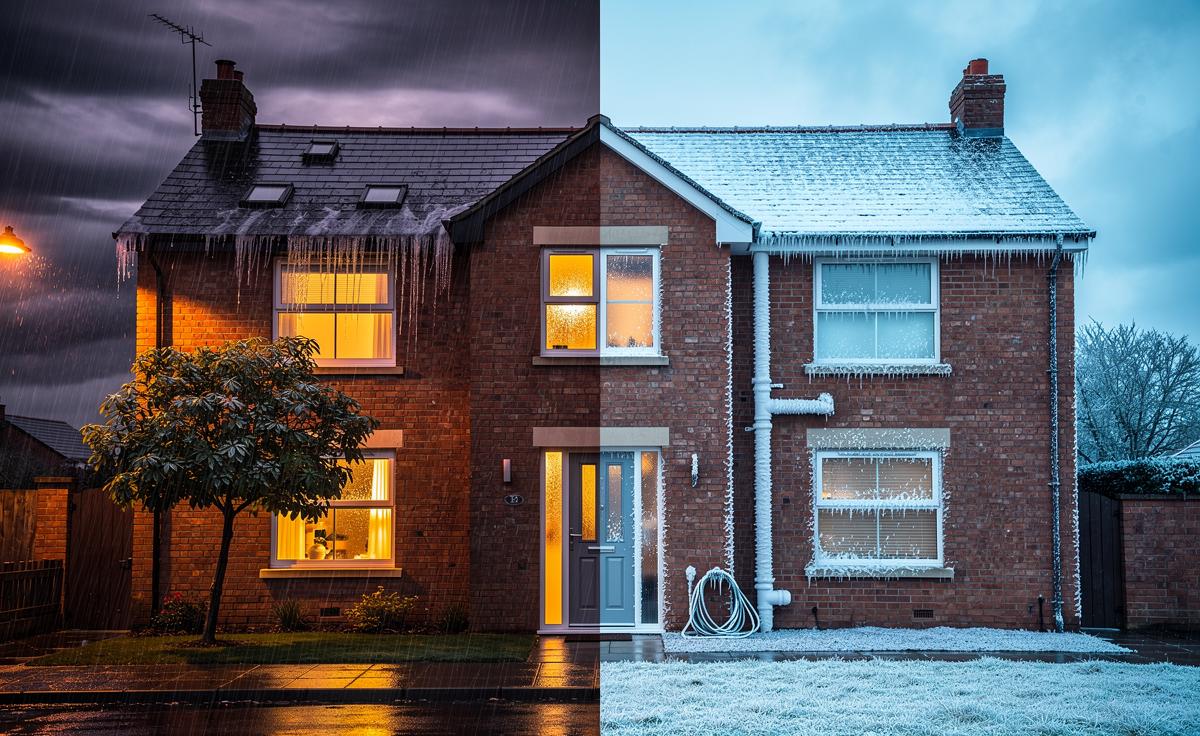
- 🌪️ Experts split on December outlook: active jet stream bringing storms vs. blocking high pressure delivering cold, frosty spells.
- 🏠 Home risks pivot with patterns: wind-driven rain raises flood and roof ingress threats; hard frosts trigger frozen pipes and boiler shutdowns.
- 💧 Cold, still nights amplify condensation and mould; ventilation, extractor fans, and managing indoor humidity are essential defenses.
- 📊 Meteorologists track jet latitude and vortex signals while insurers monitor spikes in storm damage, escape of water, and loft tank leaks.
- 🧰 Dual‑track prep wins: clear gutters, secure tiles, lag pipes, protect the condensate pipe, balance heating flow temps, and document your property baseline.
Britain’s winter conversation has turned into a row. Is December bringing a bruising train of Atlantic storms, or a dry, frosty spell that bites your heating budget? Experts disagree, loudly. Some point to a restless jet stream and moisture-laden lows; others see high-pressure “blocks” promising still air, hard frosts, and icy mornings. For homeowners, the debate is not academic. It’s a question of water in the walls, stress on slates, and money in the meter. Understanding this month’s weather pattern means understanding your home’s weak spots. The good news: you can plan for both scenarios. The bad: delay, and small defects can snowball into costly claims.
Why December Forecasts Are Splitting Opinion
Two camps, two stories. One reads the North Atlantic like a conveyor belt: frequent depressions, a lively jet stream, and bursts of heavy rain sweeping from Cornwall to the Clyde. That pattern inflates flood risk, tests gutters, and drives wind under tired tiles. The rival scenario hinges on blocking high pressure over Scandinavia or Greenland, forcing milder air south and parking cold air over the UK. Result: clear skies, radiant cooling, and widespread overnight frost. Pipes wince. Old sealant cracks. Either way, vulnerability shifts from drainage to insulation—and back again—within days.
Meteorologists talk in probabilities, not absolutes. A wobbling polar vortex, whispers of Sudden Stratospheric Warming (SSW), sea-surface anomalies—each nudges the dice. The Met Office long‑range outlook often presents a range, not a single outcome. Homeowners should read that range as a prompt to audit risk. If the jet livens, think drains, roofs, and boundary trees. If high pressure wins, think condensation, carbon monoxide alarms, and frozen traps. Preparing for both paths is cheaper than betting on one.
Heating Bills, Damp Walls, and Roof Stress
Cold, still nights turn minor design flaws into major discomfort. Unvented rooms collect moisture from showers, drying clothes, and breathing. That vapour condenses on cold surfaces, feeding mould on silicone lines and paint edges. It looks cosmetic. It’s not. Persistent damp eats timber, softens plaster, and aggravates asthma. Ventilation beats condensation, every time. Trickle vents open, kitchen and bathroom extractors running, doors cracked after a hot shower—simple, unglamorous steps that save repairs and doctor visits.
Flip the weather and problems migrate to the roofline. Squalls find the weak slate. Overflowing gutters dump water against brickwork, where hairline cracks wick it indoors. Masonry doesn’t complain until the bill arrives. Landlords and first‑time buyers alike should walk the perimeter after rain. Look for staining, green algae trails, sagging gutters, and drips around downpipes. Inside, check lofts for daylight through tiles and dark patches around nails. Small leaks become big claims in weeks, not months. A £50 gutter fix can avert a £5,000 ceiling collapse during a holiday downpour.
Then there’s cost. A cold block lifts heating demand sharply. Poorly balanced radiators, silted systems, or a tired boiler magnify the pain. Bleeding rads, setting thermostatic valves, and verifying flow temperatures can shave pounds without touching comfort.
What Meteorologists and Insurers Are Watching
Forecasters watch the jet stream’s latitude and the pressure gradient across the North Atlantic. A south‑shifted jet invites repeated lows; a northward retreat encourages calm, frosty spells. Meanwhile, the Environment Agency eyes saturated catchments and tide cycles for surge risk along the North Sea. Insurers scan a different dashboard: claim clusters after wind gusts over 60 mph, escape‑of‑water spikes during week‑long frosts, and the quiet killer of December—storm‑blocked gutters that turn to ingress claims by January. The signal is mixed, but the household exposures are clear.
Premiums reflect history. Postcode flood mapping, roof age, and even tree cover near a property influence excesses. If you’ve added a wood burner or swapped to open‑plan living, refresh your policy detail; ventilation pathways and fire risk matter. Loss adjusters highlight three December standouts: failed ridge tiles under crosswinds, frozen condensate pipes shutting down boilers, and unseen loft tank leaks after a freeze‑thaw. Ask your insurer about approved contractors and “trace and access” cover before trouble hits. Knowing your cover boundaries is as important as knowing your roofline.
Practical Steps to Weather-Proof Your Home This Month
The smartest response to uncertain forecasts is dual‑track preparation: one set of actions for wind‑driven rain, another for frost. Start with what costs little. Clear gutters and gullies. Reseat slipped tiles. Lag exposed pipes and the boiler’s condensate run. Test extractor fans with a tissue held to the grille; upgrade if it drops. Fit draught excluders around loft hatches. In flats, check balcony drainage and keep outlets free of leaves. Think like water: where can it sit, soak, or freeze?
| Weather Pattern | Home Risk | What It Means | Quick Check |
|---|---|---|---|
| Wind-Driven Rain | Roof leaks, ingress | Pressure pushes water under tiles | Look for lifted slates, blocked gutters |
| Hard Frost | Frozen pipes, no heat | Ice expands, joints split | Lag pipes; protect condensate pipe |
| Cold, Still Air | Condensation, mould | Moisture settles on cold bridges | Run extractors; crack vents; reduce drying indoors |
| Back-to-Back Storms | Fence and tree damage | Repeated gusts fatigue fixings | Secure panels; prune weak branches |
Go one step further. Set heating to a steady, moderate flow temperature for condensing efficiency; avoid high peaks that encourage condensation swings. Keep indoor RH near 50–60% with a hygrometer and, if needed, a small dehumidifier in problem rooms. Photograph gutters, roofs, and meter readings as a dated baseline before severe weather; it helps if you do claim. And pack a simple kit: torches, spare batteries, sandbags or flood socks, pipe insulation, and cable ties. Prepared households recover faster and spend less.
December’s weather may not settle the expert debate, but your house doesn’t care who is right; it reacts to wind, water, and cold on contact. The trick is to observe, anticipate, and act before patterns lock in. If the jet turns south, your gutters should already be clear. If a block sets up, ventilation and insulation should already be working together. Small actions now buy resilience all winter. As temperatures and pressure charts zigzag, what will you prioritise this week: stopping water getting in, or stopping warm air getting out?
Did you like it?4.5/5 (22)