In a nutshell
- 🧪 The science: sodium bicarbonate crystals deliver mild abrasion and gentle alkalinity to lift grease, soap scum, and tannins without gouging surfaces.
- 🥄 How to mix: Aim for a 3:1 baking soda-to-water ratio for a clingy paste, adjust as needed, and allow dwell time (10–20 minutes) before light scrubbing.
- 🧼 Where it shines: Effective on oven glass, stainless steel (with the grain), grout, shower screens, and stained mugs; rinse and buff for a residue-free finish.
- 🚫 Use with care: Avoid or spot-test on soft plastics, aluminium, polished stone, delicate coatings, and screens; use minimal pressure and the right cloth.
- 🌱 Why it’s smart: Low-cost, low-odour, and eco-friendly, this baking soda paste replaces many products while cutting out harsh chemicals.
The Baking Soda Paste That Removes Stubborn Grime Effortlessly: How Mild Abrasion Cleans Without Harsh Chemicals
For householders weary of eye-watering sprays and mystery solvents, the answer is often hiding in plain sight: a humble pot of baking soda. When mixed with water into a spreadable baking soda paste, it tackles stubborn grime with satisfying ease, relying on mild abrasion and gentle alkalinity rather than corrosive chemistry. The result feels almost old-fashioned, yet it’s quietly modern: low-odour, low-cost, low-waste. Crucially, this approach preserves surfaces while dislodging dirt. Think oven glass, shower screens, grout lines, even stained mugs. It’s a method that doesn’t shout. It simply works, leaving a clean that looks honest, a finish that feels safe, and a routine that’s kinder to your lungs—and your budget.
The Science Behind Mild Abrasion
Sodium bicarbonate crystals are tiny, angular, and relatively soft—around the mid-low range on the Mohs scale—so they scour without gouging. That’s the secret of mild abrasion: each particle becomes a microscopically gentle scourer, powerful on films of grease, soap scum, and tea tannins, but restrained on durable finishes like glass and enamel. The grains wedge into the microtexture of grime, then glide away under a cloth, taking the contamination with them. The grit does the work, not harsh chemistry. Yet chemistry still helps. In water, bicarbonate forms a weakly alkaline solution (pH roughly 8.3), nudging fatty residues towards easier removal and helping to loosen mineral-laced soap build-up. Mechanical and chemical actions work together. It’s simple physics and subtle chemistry, in concert.
Because the crystals are friable, they tend to break down rather than score, which is why the paste is often kinder than scouring powders. Add light pressure, circular strokes, and time—dwell time matters more than muscle. On glazed tiles, oven doors, and many metal sinks, it’s especially effective. Used correctly, the finish looks refreshed, not rubbed raw. That balance is why a bicarbonate paste has become such a staple in homes that prefer efficacy without the sting of bleach or the fumes of solvents.
Mixing the Perfect Baking Soda Paste
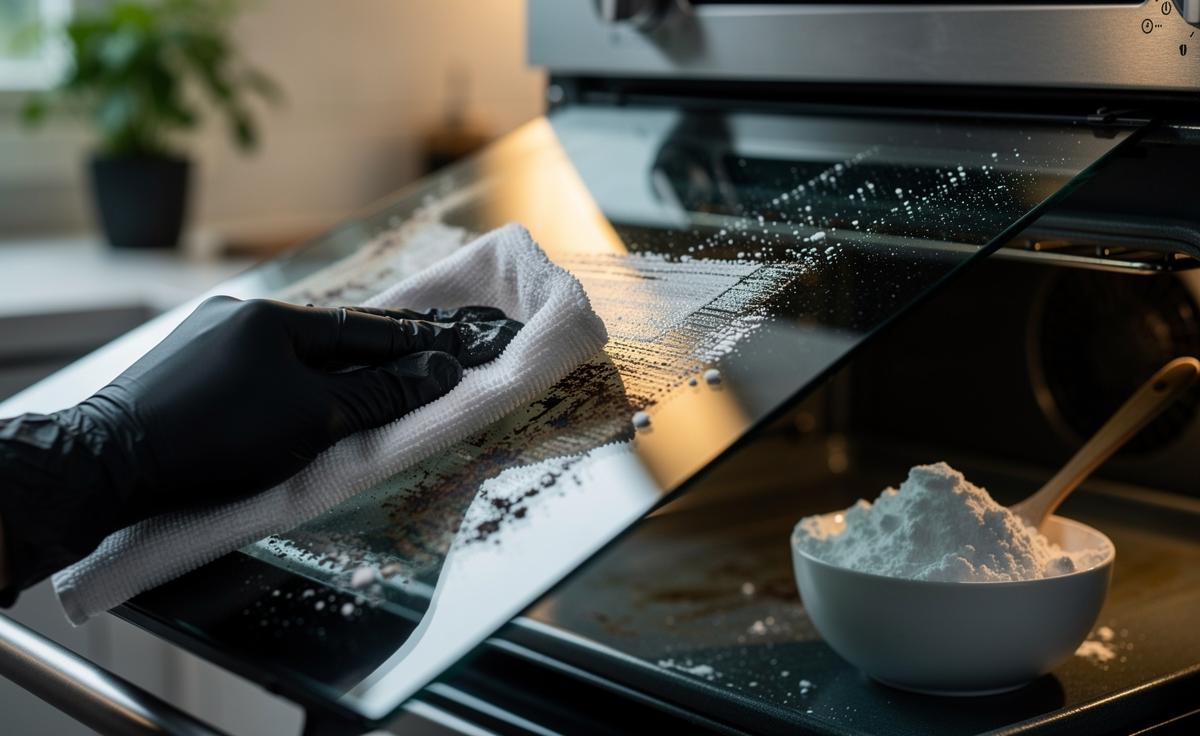
Start with a small bowl and combine three parts baking soda to one part cool water for a thick, spreadable paste. Adjust ratios: add a splash more water for a brushable slurry, or a little more powder for cling on vertical surfaces. Apply with a soft sponge or microfibre cloth; for tight corners and grout, use an old toothbrush. Let it sit for 10–20 minutes so the paste can soften grime before you scrub. Rinse thoroughly and buff dry to prevent a powdery film. For extra lift on limescale-speckled soap scum, first use the paste, then lightly spritz with white vinegar; the fizz can help disrupt deposits. Avoid mixing into a sealed container—pressure can build from CO2.
When you need clarity at a glance, keep this quick guide nearby:
| Task | Ratio (Bicarb:Water) | Dwell Time | Notes |
|---|---|---|---|
| Oven Glass | 3:1 | 20–30 mins | Wipe, rinse, then buff for shine |
| Grout Lines | 2:1 | 10–15 mins | Brush gently; avoid coloured cement grout if unsealed |
| Stainless Sinks | 3:1 | 5–10 mins | Rub with grain; rinse thoroughly |
| Mugs/Tea Stains | 2:1 | 2–5 mins | Light circular motion, minimal pressure |
Less water equals more cling and more bite; more water equals faster spread and gentler action. If tackling heavy grease, pre-wipe with hot soapy water to remove loose residues before pasting, which saves effort and reduces streaking.
Where It Shines: Kitchens, Bathrooms, and Beyond
In the kitchen, a baking soda paste cuts through baked-on splatters on oven doors, hob surrounds, and roasting trays. It’s excellent on ceramic sinks, chopping boards (non-wood or sealed wood), and inside mugs stained by tannins. On stainless steel, work along the grain to avoid swirl marks and rinse well. Expect a clean that looks naturally bright rather than artificially glossy. In the bathroom, it polishes away soap haze on shower glass, freshens chrome taps, and lifts grime from grout. Pairing paste with a soft-bristle brush offers precision without brutal force. The same mild abrasion helps revive patio furniture, remove scuffs from skirting boards, and tidy up light marks on white trainers’ rubber foxing.
There’s a sensory advantage too. No choking fumes. No cloying perfumes. Just the quiet tick of micro-scrubbing action and the satisfaction of visible progress. On textured tiles and matte-glazed surfaces, the paste reaches into micro-pits where films like to cling. Grease loses its grip; lathered residues disperse. The result is tactile: surfaces feel truly clean, not just scented. For daily life, this is pragmatic magic—safe enough for frequent use, potent enough to matter. Keep a small jar of mixed paste for the week and stir before use; if it dries, a teaspoon of water resurrects it instantly.
Surfaces To Treat With Care and Smart Testing
Mild does not mean universal. Avoid or test cautiously on soft plastics, glossy acrylics, and delicate coatings that scratch easily. On aluminium, bicarbonate can darken the surface or mar finishes; test a hidden spot first. Natural stone—especially polished marble and some limestones—can dull if repeatedly exposed to alkalis and abrasion. Sealed wood and painted cabinetry vary widely; if the coating is thin or compromised, gentle soap may be safer. Always spot-test in an inconspicuous area and assess under good light. For touchscreens and spectacle lenses, never use abrasive pastes; reach for a dedicated cleaner instead.
Think technique as much as chemistry. Use the lightest pressure that still works. Let the paste dwell, then wipe in small circles with a soft cloth. Rinse, reassess, repeat if needed. If you’re unsure, step down the abrasion by thinning the paste, switching to a softer cloth, or substituting with warm soapy water for the first pass. The rule is simple: match the method to the material. The goal is restorative cleaning, not enthusiastic erosion. With a minute of care and a quick test, you’ll preserve finishes while still banishing the muck that makes rooms look tired.
In a time of tight budgets and tighter cupboards, this unassuming baking soda paste offers a persuasive blend of efficacy, thrift, and environmental sense. It respects surfaces and noses alike, delivering results without the high-octane drama of harsh chemicals. The technique rewards patience, not force; rinse, buff, admire, repeat. It’s the quiet craft of cleaning, revived for modern homes. Ready to retire the harsh sprays and give gentle science a turn at the sink, the shower, and the oven door—what surface in your home will you transform first with mild abrasion and a spoonful of bicarbonate?
Did you like it?4.8/5 (25)