In a nutshell
- 🧪 Why acidity wins: acetic acid and citric acid dissolve limescale and lift oils, while lemon’s limonene helps break down fingerprints for a streak-free finish.
- 🍋 Precise mix: 1:1 white vinegar (5%) to deionised water plus 1 tbsp fresh lemon per 500 ml; adjust ratios for heavy limescale or light fingerprints.
- 🧼 Application tips: Spray lightly, wipe in an S-pattern with clean microfibre, then buff dry—use deionised water to prevent mineral spots.
- ⚠️ Safety first: Keep off natural stone and unsealed wood; never mix vinegar with bleach due to chlorine gas risk; test around films and seals.
- 🔧 Troubleshooting: Avoid direct sun and wind, reduce overspray, allow 60 seconds contact for stubborn grime, and swap detergent-laden cloths to stop streaks.
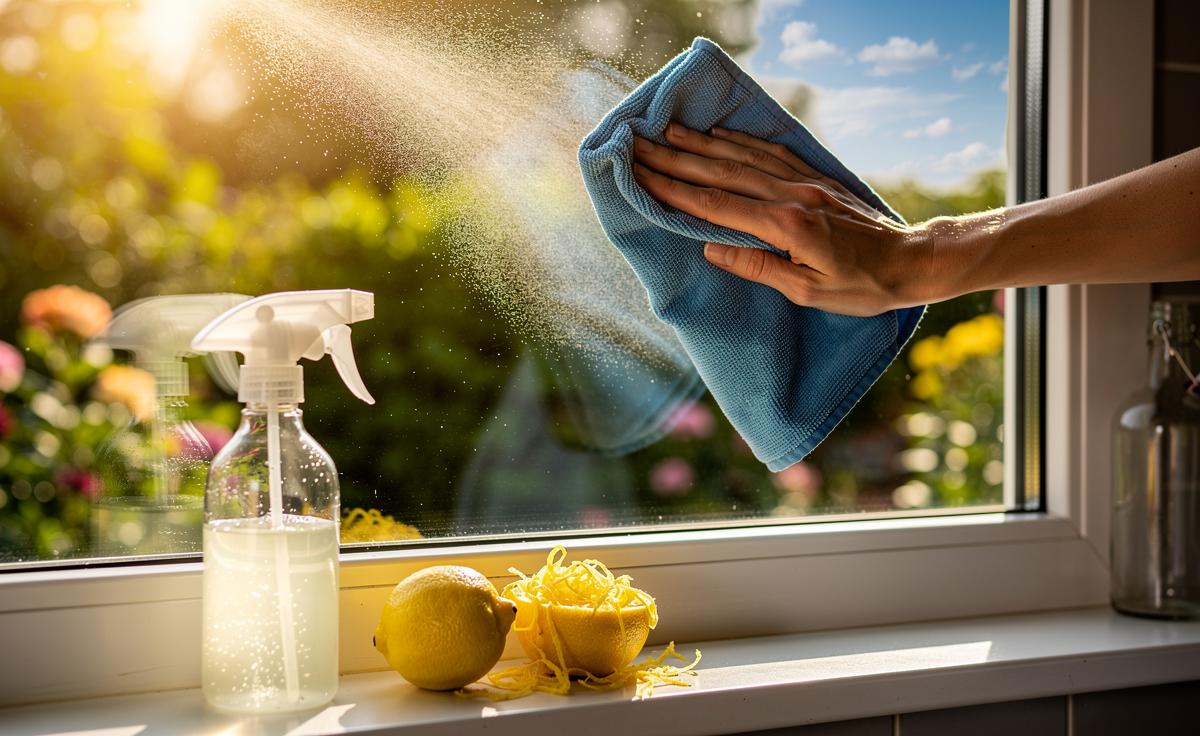
You’ve seen the hazy smears. Sunlight hits the glass and every swipe suddenly looks wrong. There’s a quietly brilliant fix from the pantry: a simple lemon and vinegar mix that leaves windows streak-free without harsh chemicals or big-brand price tags. The science is elegant. The results are immediate. In this guide, I unpack why acidity slices through grime, how to blend a reliable solution, and the mistakes that cause those dreaded streaks. Expect practical ratios, pro application tips, and a safety checkpoint so you protect finishes while you polish panes. It’s frugal. It’s fast. And it’s astonishingly effective on the fingerprints, limescale haze, and traffic film that dull glass.
Why Acidity Wins on Glass
Glass attracts a mixed bag of soils: alkaline limescale from hard water, greasy skin oils from hands, and airborne pollutants that stick like glue. Acids disarm them. Acetic acid in vinegar reacts with alkaline deposits, loosening mineral films that scatter light and make glass bloom grey. Meanwhile, lemon brings citric acid, which chelates metal ions, disrupting the chemical “anchors” that help grime cling. A bonus: compounds in lemon zest, notably limonene, act as gentle solvents on fingerprints, so the blend tackles both mineral and oily residues in one pass.
There’s a physics side, too. The solution slightly lowers surface tension, helping the liquid sheet across the pane rather than bead, which is vital for streak-free evaporation. Use deionised water and you remove the minerals that leave spots as droplets dry. Less residue, less buffing, better shine. In short, acidity breaks bonds, chelation lifts metals, and clean water dries without a trace—precisely why a lemon–vinegar mix outperforms plain sprays.
How to Mix and Apply It
Precision helps. For a 500 ml spray bottle, start with 250 ml white vinegar (5%), 250 ml deionised water, and 1 tablespoon fresh lemon juice. Optional: a few strips of zest infused for 30 minutes to layer in limonene. For greasy city film, add one petite drop of washing-up liquid—no more—or you’ll need to rinse. Label the bottle. Store cool and dark.
| Mixture | Ratio | Approx. pH | Best Use |
|---|---|---|---|
| Standard Windows | 1:1 water:vinegar + 1 tbsp lemon/500 ml | ~2.6–2.9 | Routine glass cleaning, indoor panes |
| Heavy Limescale | 1:2 water:vinegar + 2 tbsp lemon/500 ml | ~2.4–2.6 | Showers, splashed exterior windows |
| Light Fingerprints | 2:1 water:vinegar + lemon zest infusion | ~3.0 | Quick buffs, mirrors, touch marks |
Spray lightly. Less is more. Work top to bottom in a confident S-pattern. Wipe with a tight-weave microfibre (clean, lint-free), then flip to a dry side and buff edges where drips collect. For flawless clarity, finish with a second, bone-dry cloth. Always use deionised water if your tap supply is hard—this single tweak eliminates most streaks.
Safety, Surfaces, and Smell
Acid is powerful, so aim it wisely. Keep the lemon–vinegar mix on glass, glazed tiles, and chrome, and away from natural stone such as marble, limestone, and some granites where acid etching can permanently dull the surface. Avoid unsealed wood and ailing window putty. Test around window films and rubber seals in an inconspicuous corner; most tolerate vinegar, but ageing materials can be unpredictable. Store the spray capped and out of sunlight, which degrades lemon compounds over time.
The scent? Lemon masks vinegar’s sharpness without synthetic perfume, leaving a brisk, clean finish. Never mix vinegar with bleach—this releases chlorine gas. Don’t decant hydrogen peroxide into the same bottle either; together, they can form peracetic acid, an irritant. If you add a soapy drop for greasy deposits, keep it tiny and buff thoroughly to prevent film build-up. Label your bottle with ingredients and date; remake monthly for freshness and consistent punch.
Troubleshooting Streaks in Real Weather
Direct sun is the nemesis. It flashes liquid off before you can level it, leaving arcs. Clean in shade, on a cool pane. Wind matters too. A gusty day sprays mist back onto glass you’ve just perfected. Work room by room indoors with windows cracked for ventilation, then pick a calm spell outside. If you see ghosting lines, your cloth is the culprit—swap for a clean, tightly woven microfibre used only for glass. Detergent-laden laundry residue on cloths equals streaks.
Water quality also tells. Use deionised water to stop mineral spotting, and step up acidity for limescale-prone areas. Still streaking? You might be over-spraying. Use less solution and more buff. For old tobacco film or traffic grime, apply, wait 60 seconds, then wipe—contact time matters. Dial the ratio, clean in shade, and finish with a dry buff: that trio solves 90% of streak complaints.
The charm of a lemon–vinegar cleaner is its blend of chemistry and common sense. Acids neutralise alkaline films, chelation lifts metallic haze, and clean water vanishes without a spot, leaving a pane that genuinely sparkles. It’s inexpensive, low-waste, and fast, yet its effectiveness rivals shop-bought sprays. Adjust the ratio to suit your water, your weather, your windows. Then enjoy the view. What’s the one glass-cleaning frustration you still want solved—sash-window corners, skylights in full sun, or stubborn shower screens—and what would you like tested next?
Did you like it?4.7/5 (23)