In a nutshell
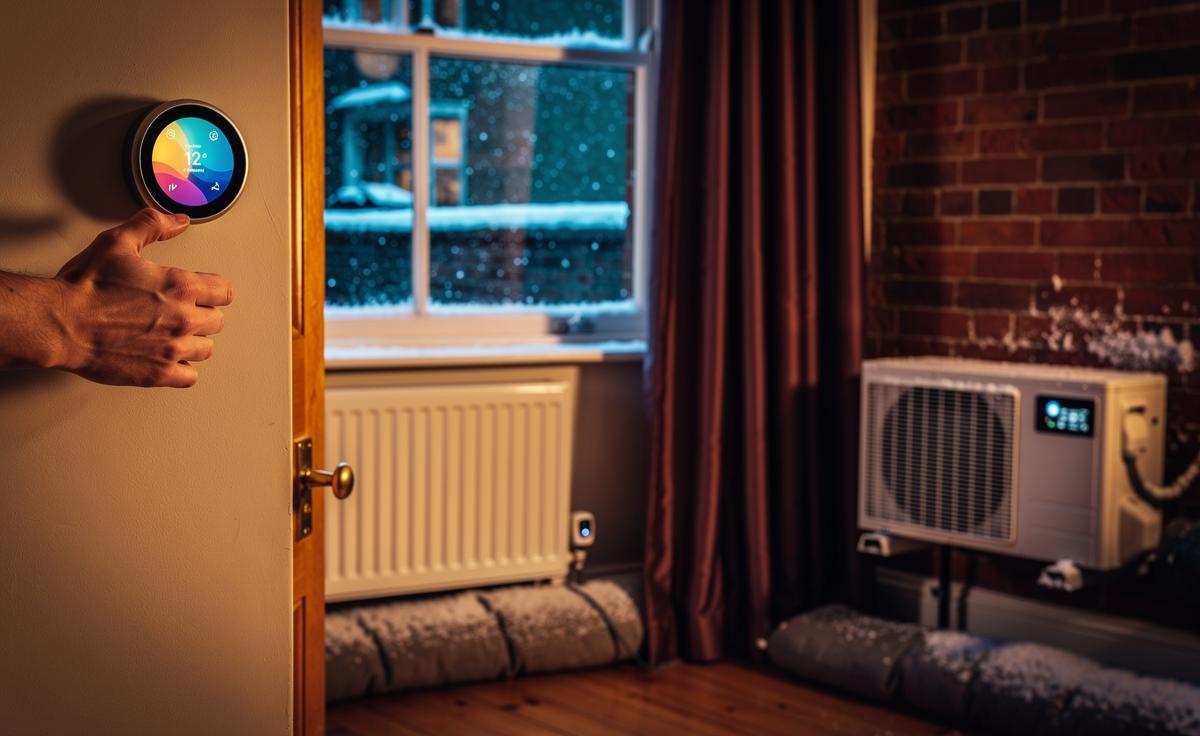
- 🔥 Use smart thermostats, smart TRVs, and room-by-room zoning; lower boiler flow temperature (55–60°C) with OpenTherm and hydraulic balancing for quiet, efficient heat.
- 🧱 Go fabric first: targeted draught proofing, loft top-ups, radiator reflector panels, and pipe/cylinder lagging deliver stackable savings with fast payback.
- 💡 Optimise costs via time-of-use tariffs, Economy 7, and flexibility events; tap grants like the Boiler Upgrade Scheme, Great British Insulation Scheme, and rewards from the Demand Flexibility Service.
- ♻️ Cut carbon without pain: correctly sized and controlled heat pumps, hybrids, or smart storage heating; preheat off-peak and coast through peaks to trim bills.
- 📈 Nail the basics: regular maintenance, 1°C setpoint reductions, disciplined schedules, and smart-meter tracking to measure gains and keep improvements on course.
The UK’s heating season is edging closer, and 2026 is set to be a proving ground for new money-saving tactics. Bills remain unpredictable, yet households have more tools than ever to cut costs without sacrificing comfort. Think smarter controls, laser-focused draught-proofing, and tariffs that reward flexibility. Some measures cost pennies. Others unlock grants worth thousands. In this guide, I unpack practical moves for every home type, from flats with combi boilers to rural properties off the gas grid. Expect clear steps, realistic savings, and a few lesser-known tricks. Small adjustments add up quickly when you target the right levers.
Smarter Controls: AI Thermostats and Room-by-Room Zoning
Heat only where you live, only when you need it. That’s the rule. Modern smart thermostats use occupancy sensing, weather data, and learning algorithms to trim dead time. Pair one with smart TRVs on radiators and you unlock room-by-room schedules: toast the living room at 7pm, let the spare room drift cooler, keep bedrooms steady but lower. The result is quiet efficiency. Short bursts. No more overheating corridors or kitchens. Zoning can cut wasted heat without you noticing any comfort loss.
Fine-tuning a gas boiler matters, too. If you have a condensing combi, lower the flow temperature to 55–60°C and enable weather or load compensation (often called OpenTherm on compatible models). You nudge the boiler into its sweet spot where it condenses more and burns less. Savings of 5–9% are common. Add hydraulic balancing so each radiator heats evenly; rooms reach setpoint faster, cycles shorten, and pump effort drops. Smart thermostats now offer “eco preheat” for hot water and “adaptive start” so you wake up warm without starting hours early. Let algorithms handle the tedium; keep your setpoints modest.
One caveat: schedule discipline. Lock in default routines that reflect your real life, then resist constant tinkering. Use short setback temperatures, not full off, to avoid reheating deep cold. And if you work from home, create a single heated zone around your desk—close doors, heat that bubble, not the house.
Fabric First: Fast Fixes With Surprising Payback
Before gadgets, stop heat escaping. It’s not glamorous, but it’s immediate. Start with draught proofing: letterbox brushes, keyhole covers, silicone around window frames, foam strips on loft hatches, and a simple chimney balloon if the fireplace is unused. Pull curtains behind radiators or fit reflective radiator panels on external walls. Heavy-lined curtains or a thermal door curtain can take the edge off cold hallways. A tight envelope lowers bills every hour of every cold day.
Insulation upgrades needn’t be grand. Top up loft insulation to 270mm or more; seal the loft hatch; lag hot water pipes and the cylinder if you have one. For suspended floors, consider DIY underfloor insulation between joists; even partial coverage helps. Don’t forget trickle vents: keep them functional for air quality, but fix gaps around the frames where daylight peeks through. A smoke pencil or joss stick shows invisible leaks in minutes. Quick, visual, effective.
Typical costs and realistic savings for common DIY actions:
| Action | Approx. Cost | Typical Annual Saving | Indicative Payback |
|---|---|---|---|
| Draught-proof doors/windows | £40–£120 | £50–£125 | 1–2 years |
| Loft insulation top-up | £300–£500 | £150–£300 | 1–3 years |
| Radiator reflector panels | £20–£60 | £15–£40 | 1–3 years |
| Pipe and cylinder lagging | £25–£80 | £15–£45 | 1–4 years |
Every kilowatt-hour you don’t lose is one you don’t pay for. These fixes are stackable, quick, and landlord-friendly in many cases. Keep receipts; some schemes ask for proof if you later apply for grants.
Tariffs, Grants, and UK Programmes Worth Your Time in 2026
Start with your tariff. If your household has flexibility—heat early, coast later—consider time-of-use plans. They reward shifting consumption away from peak hours. Heat pumps with smart controls and well-insulated homes thrive on this. Economy 7 or newer dynamic tariffs can suit homes with hot water cylinders or storage heaters. If you prefer certainty, a reasonable fixed deal can calm winter nerves when caps are volatile. Match the tariff to your system, not the other way around.
Next, harvest support you’re eligible for. The Boiler Upgrade Scheme currently offers grants up to £7,500 for heat pumps in England and Wales, with additional help in Scotland via Home Energy Scotland. The Great British Insulation Scheme targets insulation measures for qualifying homes. ECO4 continues to fund improvements for low-income households. Check the Warm Home Discount and local council funds if you’re struggling; criteria vary, but awards can be decisive in winter.
Keep an eye on flexibility rewards. National Grid ESO’s Demand Flexibility Service has previously paid households to cut usage during tight grid periods. If it returns in 2026, smart thermostats, preheating, and hot-water scheduling make participation painless. Here’s a quick view of what to look for:
| Scheme/Tariff | Who Benefits | What You Get | Action |
|---|---|---|---|
| Time-of-use tariffs | Homes with flexible heating | Cheaper off-peak rates | Shift heating to low-rate windows |
| Boiler Upgrade Scheme | Owner-occupiers, some landlords | Up to £7,500 grant | Apply via accredited installer |
| Great British Insulation Scheme | Eligible households by band/EPC | Subsidised insulation | Check postcode and EPC criteria |
| Demand Flexibility Service | Smart meter users | Payments for peak reduction | Opt in via supplier/aggregator |
Eligibility shifts—verify details on official sites before committing. Snapshot your bills and meter readings to track improvements and prove savings.
Low-Carbon Heat Without the Sticker Shock
Heat pumps shine when set up right. The trick is a low flow temperature and emitters sized to deliver comfort without roaring. Ask installers for room-by-room heat loss calculations and weather compensation as standard. If your radiators are small, two swaps in critical rooms can unlock big efficiency. With the right tariff, you can preheat slightly in off-peak windows and coast through peaks. Comfort stays steady; costs drop quietly in the background.
Not heat-pump ready? Consider a hybrid system that lets a small heat pump shoulder mild days while the boiler covers deep cold. Or add a hot-water cylinder and smart immersion diverter if you have solar PV—bank surplus electricity as heat. For flats, all-electric strategies with high-retention storage heaters plus dynamic tariffs can work surprisingly well, especially in well-insulated buildings. The key is control: sensors, schedules, and measured setbacks rather than crude on/off blasts.
Two more quiet wins. First, maintenance: bleed radiators, clean filters, check inhibitor levels, and service boilers or heat pumps annually. Second, behaviour: drop setpoints by 1°C, wear layers, close internal doors, and cook strategically to share heat. These are old truths given new potency by smart controls. When hardware and habits align, the savings compound.
The bottom line? 2026 offers a rare mix of sharper controls, practical fabric upgrades, and better-aligned tariffs and grants. You don’t need to do everything at once. Start with leaks, tune the boiler, then layer in zoning and flexible rates. Track outcomes with your smart meter and adjust monthly. That’s how households beat volatile bills without living cold. Make the house do more work; you do less. Which change will you try first to keep your home warm and your winter bills lean?
Did you like it?4.6/5 (22)